Emby / How to Listen to and Understand Great Music, 3rd Edition
01 - Music as a Mirror
02 - Sources—The Ancient World and the Early Church
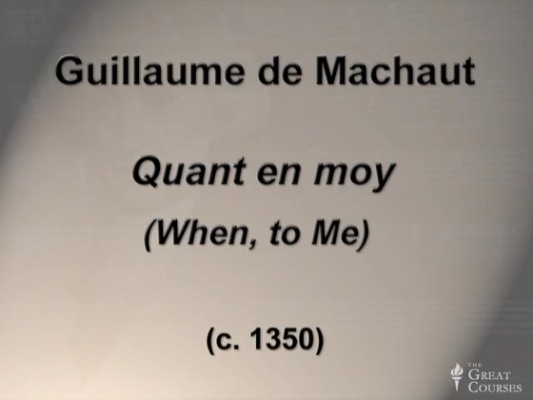
03 - The Middle Ages
04 - Introduction to the Renaissance
05 - The Renaissance Mass
06 - The Madrigal
07 - An Introduction to the Baroque Era
08 - Style Features of Baroque-era Music
09 - National Styles—Italy and Germany
10 - Fugue
11 - Baroque Opera, Part 1
12 - Baroque Opera, Part 2
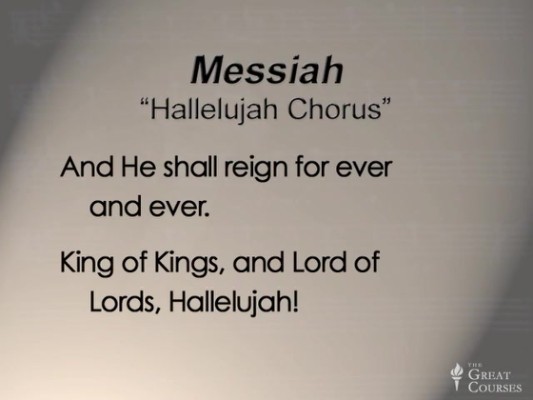
13 - The Oratorio
14 - The Lutheran Church Cantata
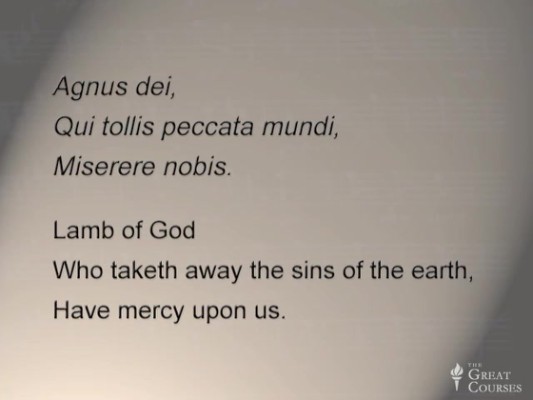
15 - Passacaglia
16 - Ritornello Form and the Baroque Concerto
17 - The Enlightenment and an Introduction to the Classical Era
18 - The Viennese Classical Style, Homophony, and the Cadence
19 - Classical-era Form—Theme and Variations
20 - Classical-era Form—Minuet and Trio Baroque Antecedents
21 - Classical-era Form—Minuet and Trio Form
22 - Classical-era Form—Rondo Form
23 - Classical-era Form—Sonata Form, Part 1
24 - Classical-era Form—Sonata Form, Part 2
25 - Classical-era Form—Sonata Form, Part 3
26 - The Symphony—Music for Every Person
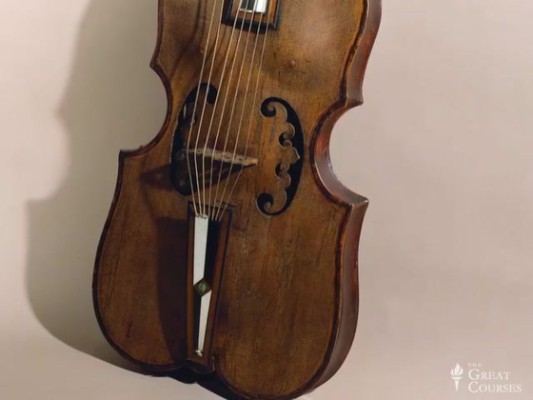
27 - The Solo Concerto
28 - Classical-era Opera—The Rise of Opera Buffa
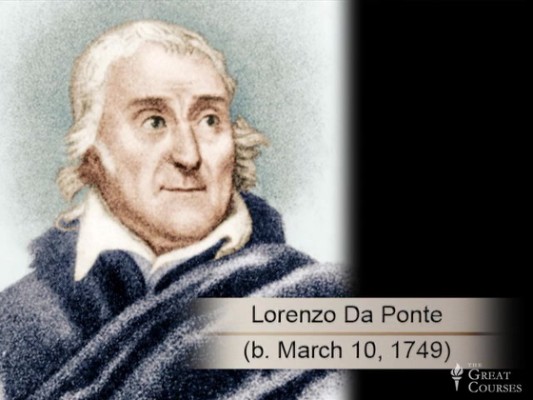
29 - Classical-era Opera, Part 2—Mozart and the Operatic Ensemble
30 - The French Revolution and an Introduction to Beethoven
31 - Beethoven's Symphony no. 5 in C Minor, op. 67, Part 1
32 - Beethoven's Symphony no. 5 in C Minor, op. 67, Part 2
33 - Introduction to Romanticism
34 - Formal Challenges and Solutions in Early Romantic Music
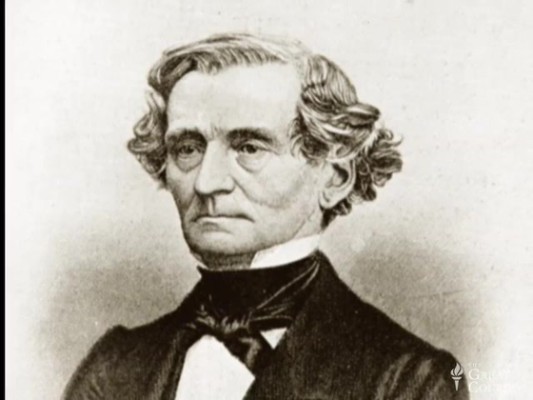
35 - The Program Symphony—Berlioz's Symphonie fantastique, Part 1
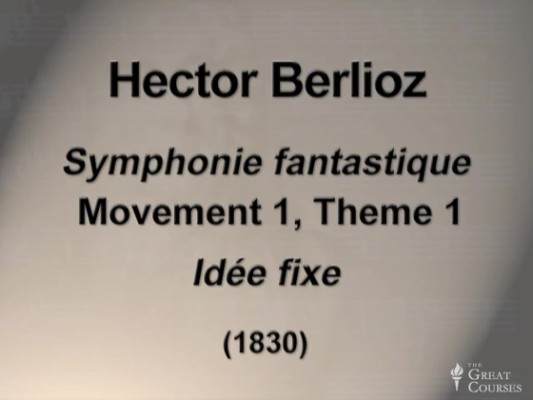
36 - The Program Symphony—Berlioz's Symphonie fantastique, Part 2
37 - 19th-Century Italian Opera—Bel Canto Opera
38 - 19th-Century Italian Opera—Giuseppe Verdi
39 - 19th-Century
40 - 19th-Century
41 - The Concert Overture, Part 1
42 - The Concert Overture, Part 2
43 - Romantic-era Musical Nationalism
44 - Russian Nationalism
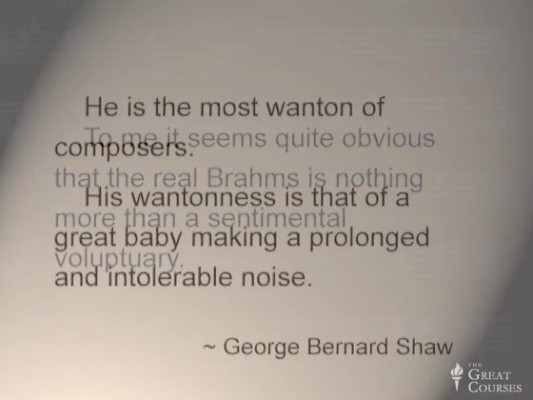
45 - An Introduction to Early 20th-Century Modernism
46 - Early 20th-Century Modernism—Claude Debussy
47 - Early 20th-Century Modernism—Igor Stravinsky
48 - Early 20th-Century Modernism—Arnold Schönberg