Emby / How to Look at and Understand Great Art
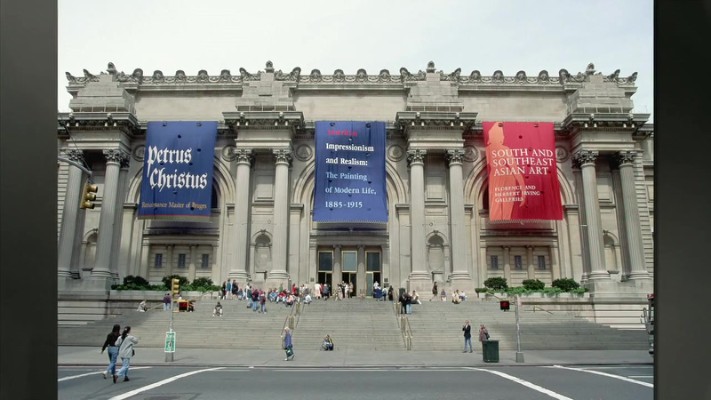
01 - The Importance of First Impressions
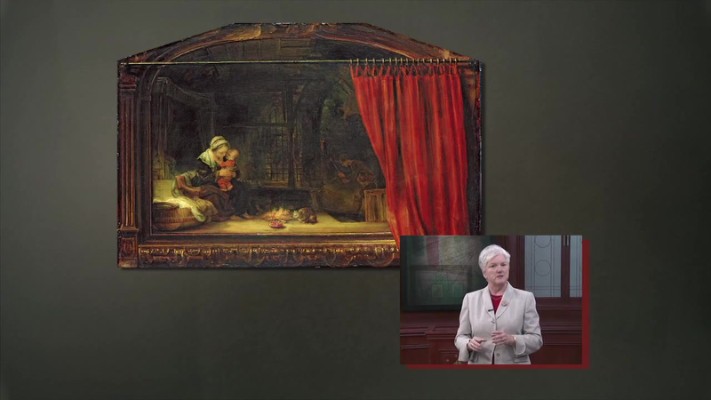
02 - Where Am I Point of View and Focal Point
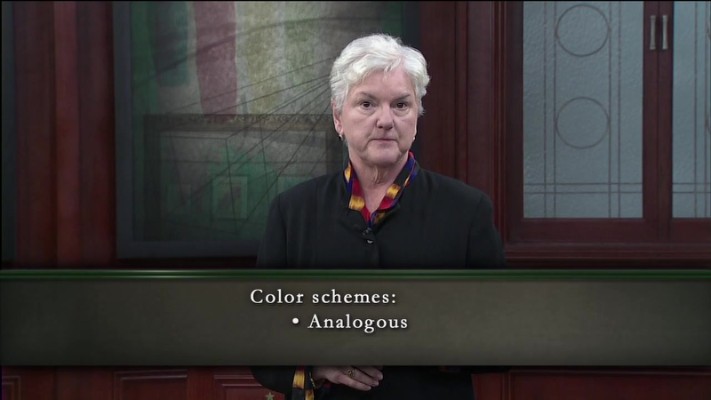
03 - Color—Description, Symbol, and More
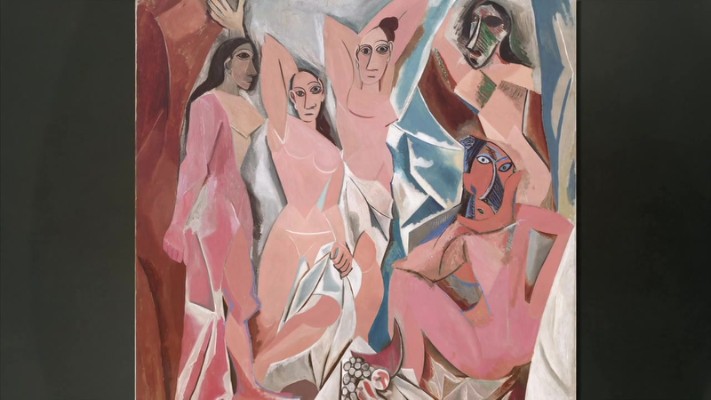
04 - Line—Description and Expression
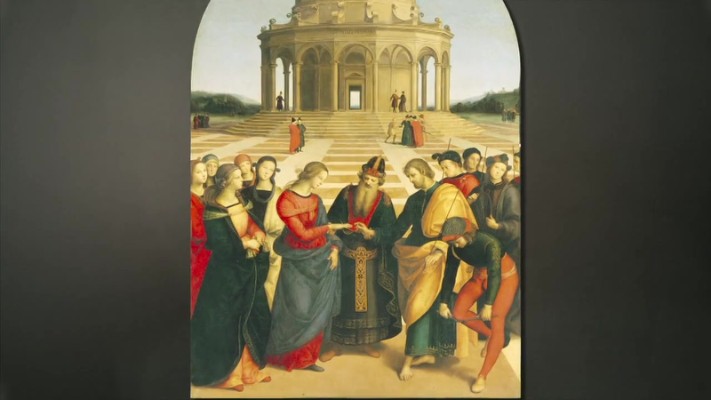
05 - Space, Shape, Shade, and Shadow
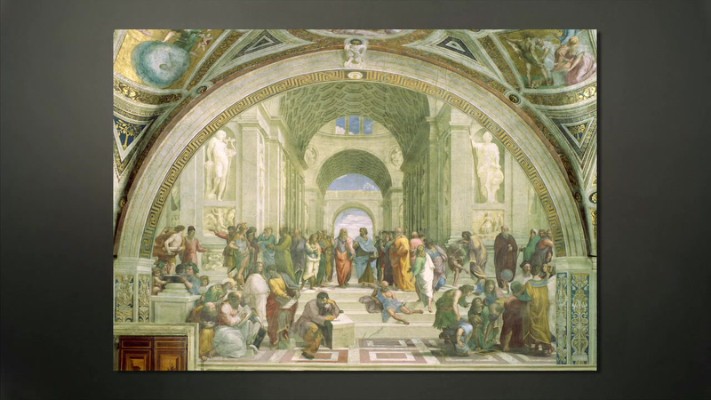
06 - Seeing the Big Picture—Composition
07 - The Illusion—Getting the Right Perspective
08 - Art That Moves Us—Time and Motion
09 - Feeling with Our Eyes—Texture and Light
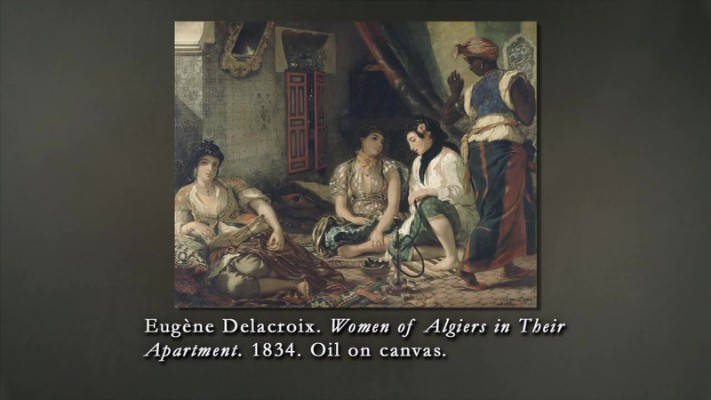
10 - Drawing—Dry, Liquid, and Modern Media
11 - Printmaking—Relief and Intaglio
12 - Modern Printmaking—Planographic
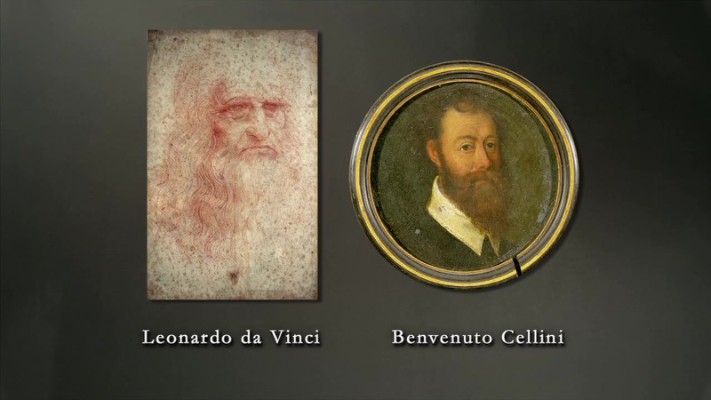
13 - Sculpture—Salt Cellars to Monuments
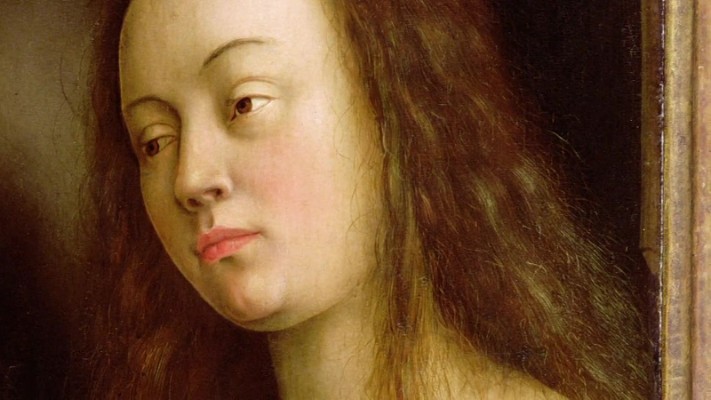
14 - Development of Painting—Tempera and Oils
15 - Modern Painting—Acrylics and Assemblages
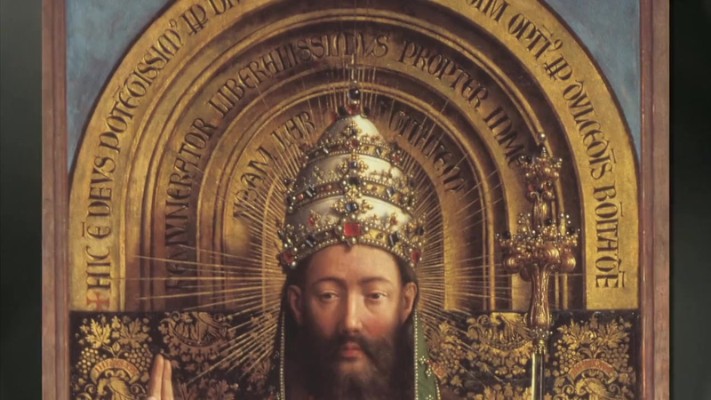
16 - Subject Matters
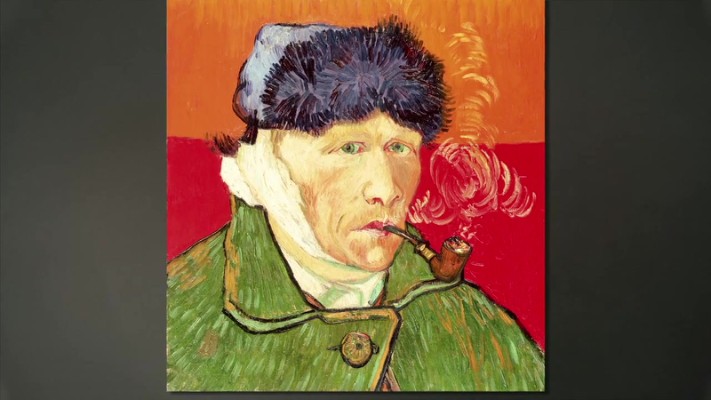
17 - Signs—Symbols, Icons, and Indexes in Art
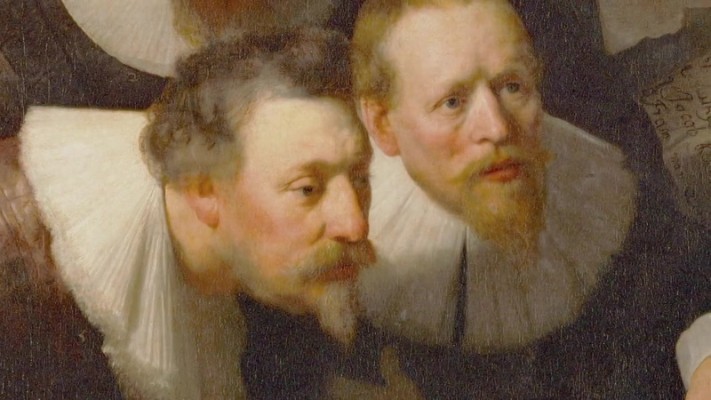
18 - Portraits—How Artists See Others
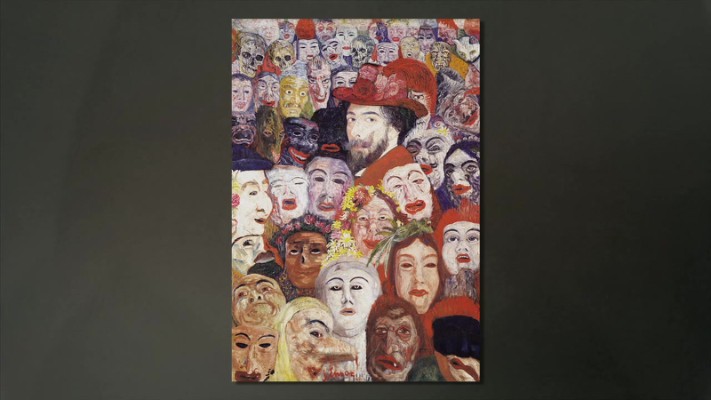
19 - Self-Portraits—How Artists See Themselves
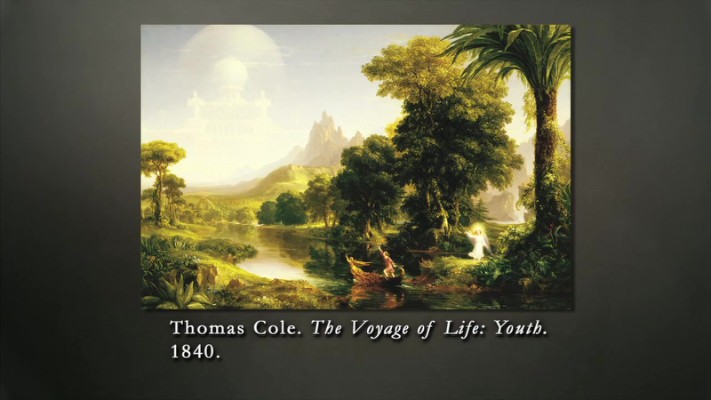
20 - Landscapes—Art of the Great Outdoors
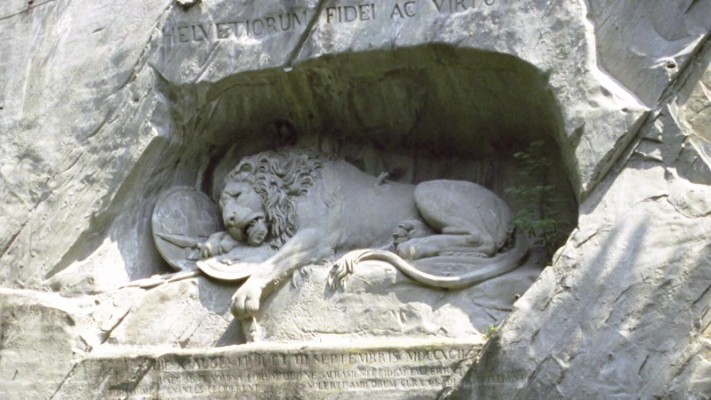
21 - Putting It All Together
22 - Early Renaissance—Humanism Emergent
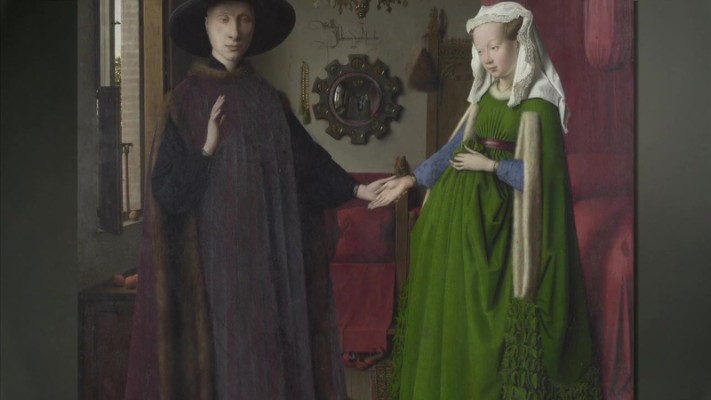
23 - Northern Renaissance—Devil in the Details
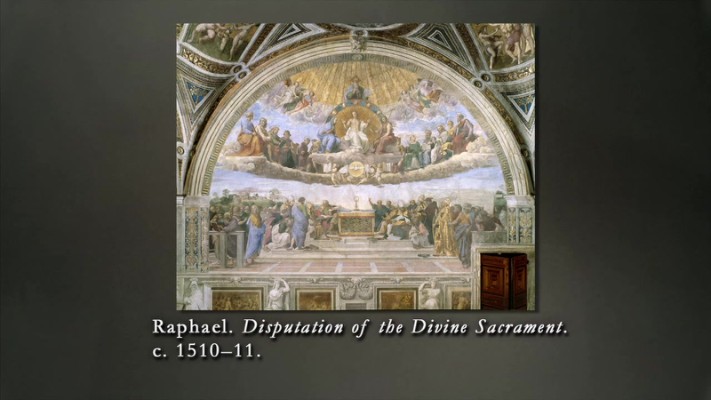
24 - High Renaissance—Humanism Perfected
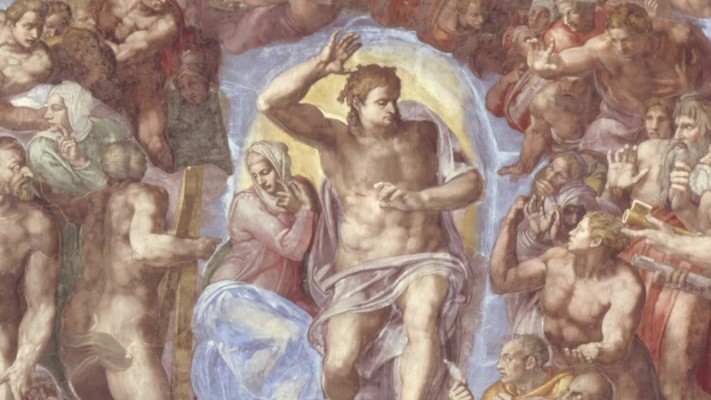
25 - Mannerism and Baroque—Distortion and Drama
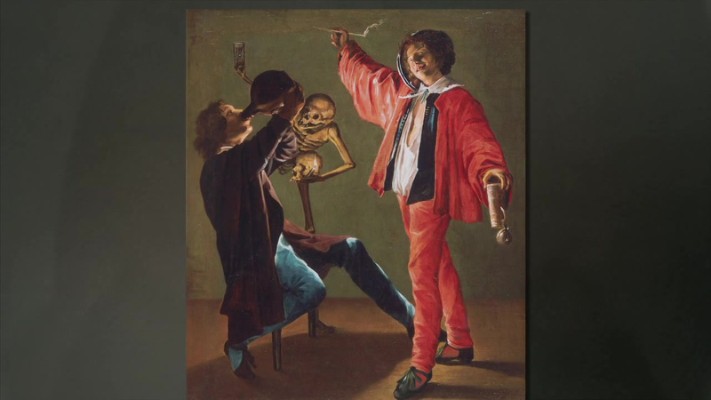
26 - Going Baroque—North versus South
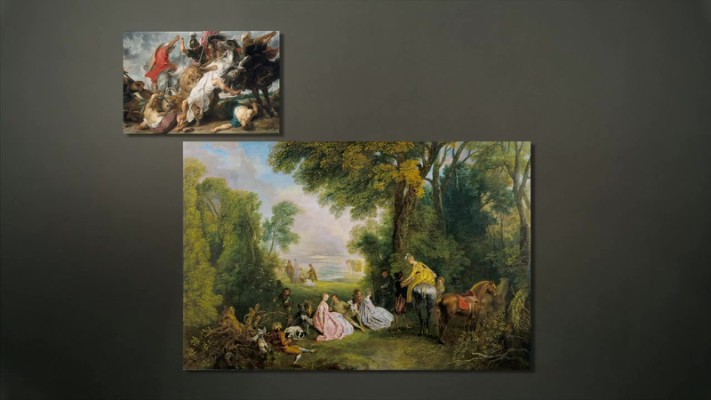
27 - 18th-Century Reality and Decorative Rococo
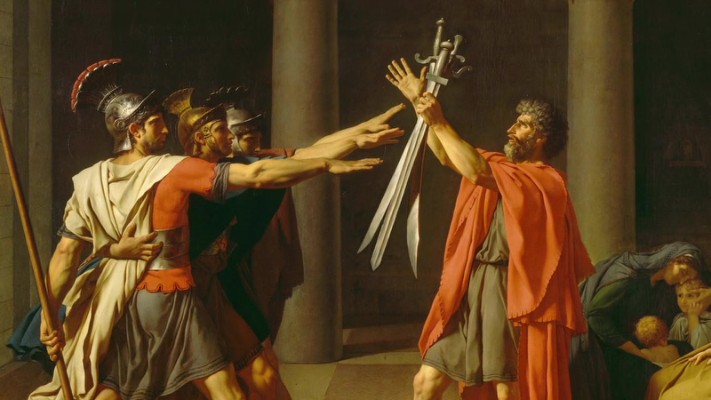
28 - Revolutions—Neoclassicism and Romanticism
29 - From Realism to Impressionism
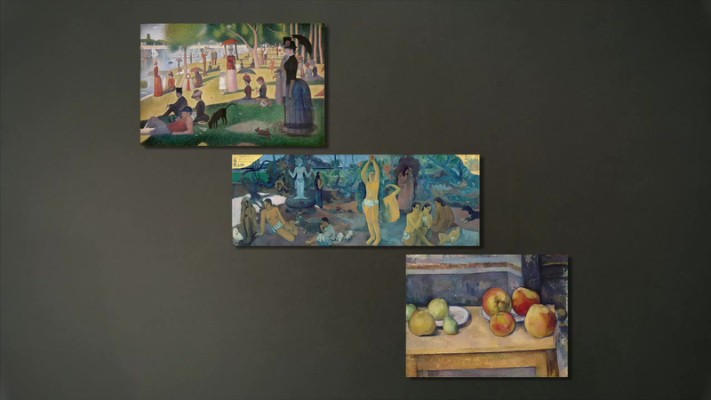
30 - Postimpressionism—Form and Content Re-Viewed
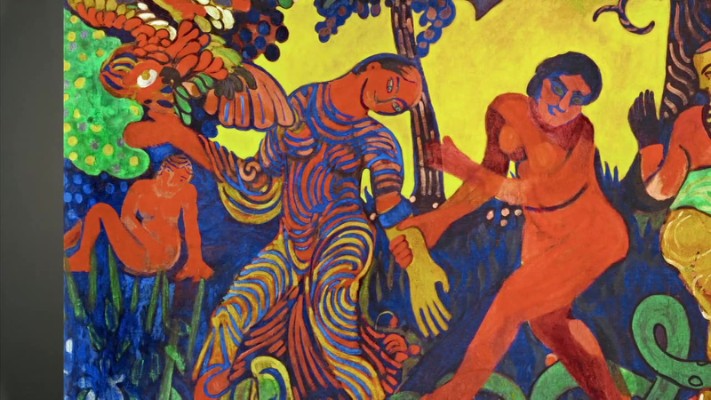
31 - Expressionism—Empathy and Emotion
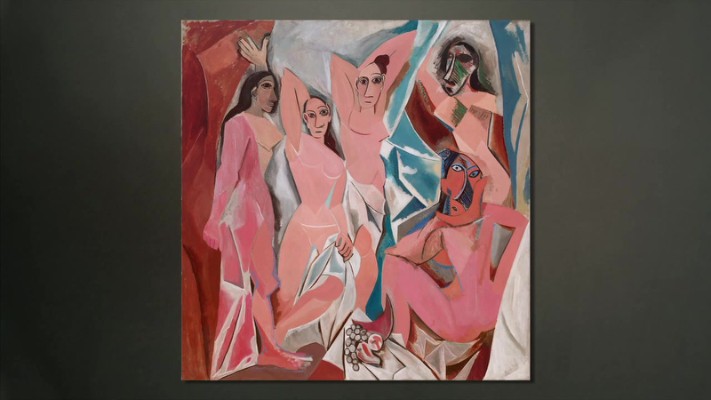
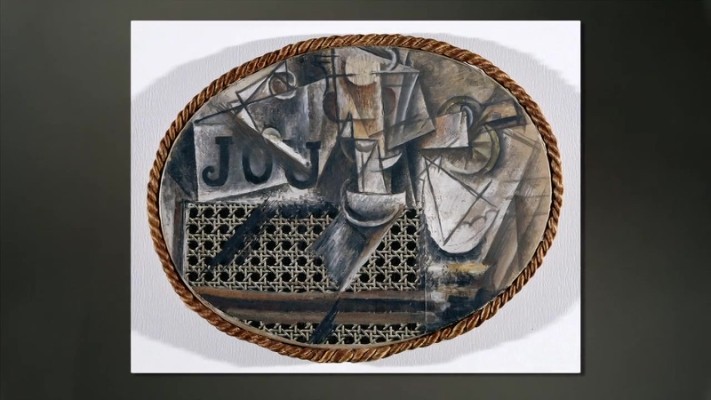
32 - Cubism—An Experiment in Form
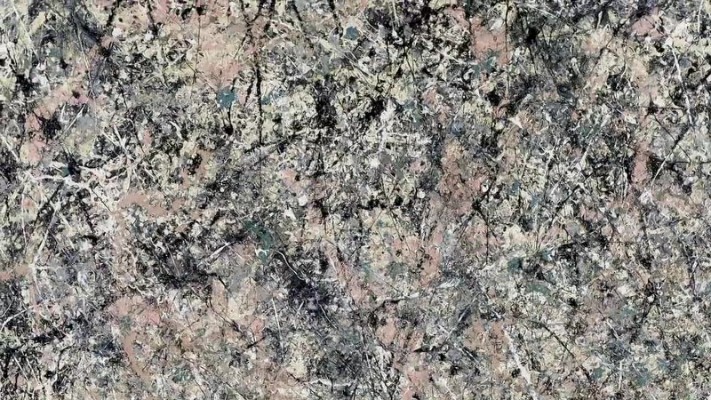
33 - Abstraction Modernism—New Visual Language
34 - Dada Found Objects Surreal Doodles and Dreams
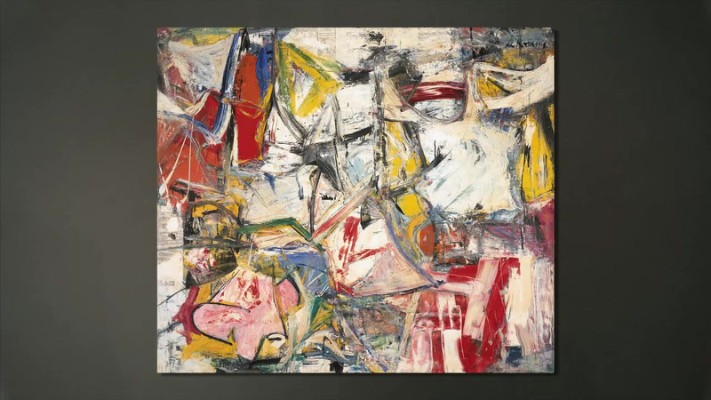
35 - Postmodernism—Focus on the Viewer
36 - Your Next Museum Visit—Do It Yourself!