Emby / Behavioral Economics When Psychology and Economics Collide

01 - What Is a Good Decision

02 - The Rise of Behavioral Economics

03 - Reference Dependence—It’s All Relative

04 - Reference Dependence—Economic Implications

05 - Range Effects—Changing the Scale

06 - Probability Weighting

07 - Risk—The Known Unknowns

08 - Ambiguity—The Unknown Unknowns

09 - Temporal Discounting—Now or Later
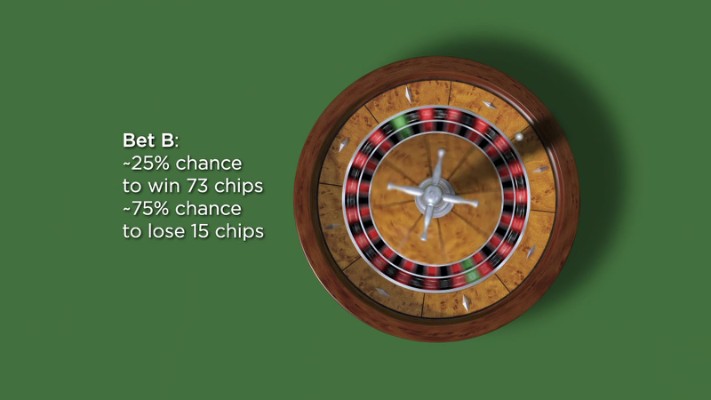
10 - Comparison—Apples and Oranges

11 - Bounded Rationality—Knowing Your Limits

12 - Heuristics and Biases

13 - Randomness and Patterns

14 - How Much Evidence Do We Need

15 - The Value of Experience

16 - Medical Decision Making

17 - Social Decisions—Competition and Coordination

18 - Group Decision Making—The Vox Populi

19 - Giving and Helping—Why Altruism

20 - Cooperation by Individuals and in Societies

21 - When Incentives Backfire
22 - Precommitment—Setting Rationality Aside

23 - Framing—Moving to a Different Perspective

24 - Interventions, Nudges, and Decisions