Emby / Money and Banking What Everyone Should Know

01 - The Importance of Money

02 - Money as a Social Contract

03 - How Is Money Created

04 - Monetary History of the United States

05 - Local Currencies and Nonstandard Banks

06 - How Inflation Erodes the Value of Money

07 - Hyperinflation Is the Repudiation of Money

08 - Saving—The Source of Funds for Investment

09 - The Real Rate of Interest

10 - Financial Intermediaries

11 - Commercial Banks

12 - Central Banks

13 - Present Value

14 - Probability, Expected Value, and Uncertainty
15 - Risk and Risk Aversion

16 - An Introduction to Bond Markets

17 - Bond Prices and Yields

18 - How Economic Forces Affect Interest Rates

19 - Why Interest Rates Move Together
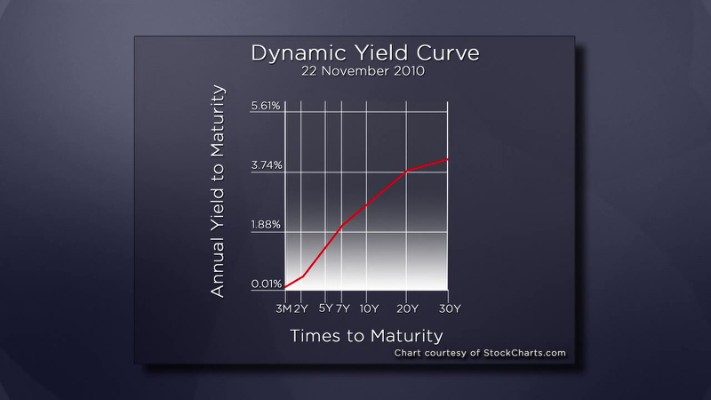
20 - The Term Structure of Interest Rates

21 - Introduction to the Stock Market
22 - Stock Price Fundamentals

23 - Stock Market Bubbles and Irrational Exuberance

24 - Derivative Securities

25 - Asymmetric Information

26 - Regulation of Financial Firms

27 - Subprime Mortgage Crisis and Reregulation

28 - Interest Rate Policy at the Fed and ECB
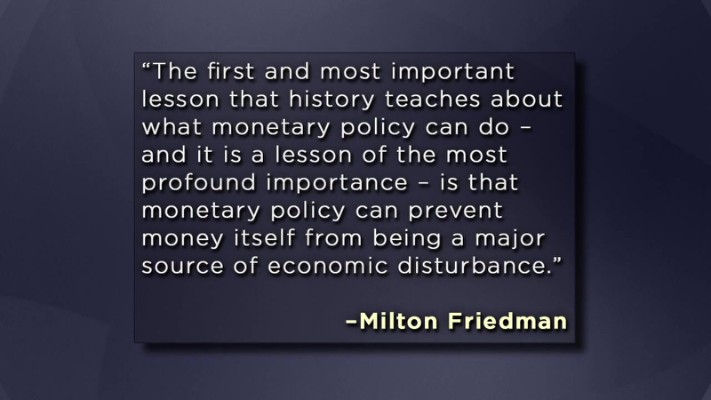
29 - The Objectives of Monetary Policy

30 - Should Central Banks Follow a Policy Rule

31 - Extraordinary Tools for Extraordinary Times

32 - Central Bank Independence

33 - The Foreign Exchange Value of the Dollar

34 - Exchange Rates and International Banking

35 - Monetary Policy Coordination

36 - Challenges for the Future