Emby / Optical Lithography
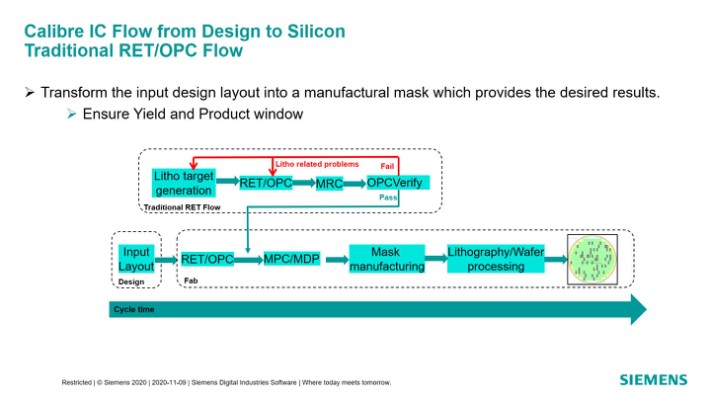
Advanced ILT solutions to manufacture photonics designs
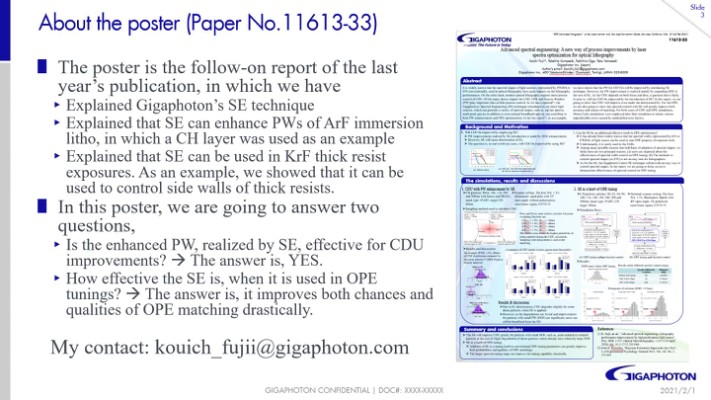
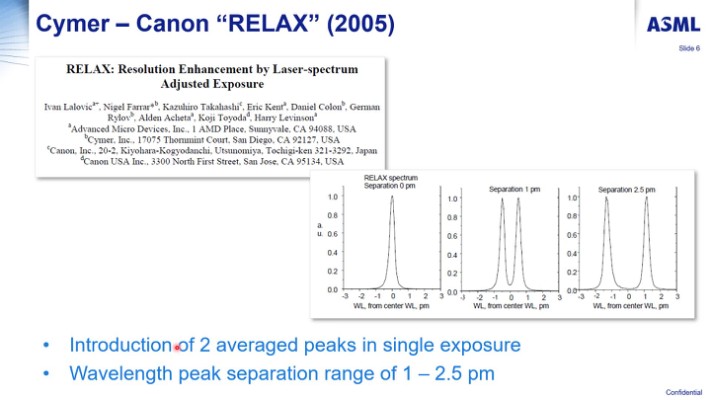
Advanced spectral engineering- a new way of process improvements by laser spectra optimization for optical lithography
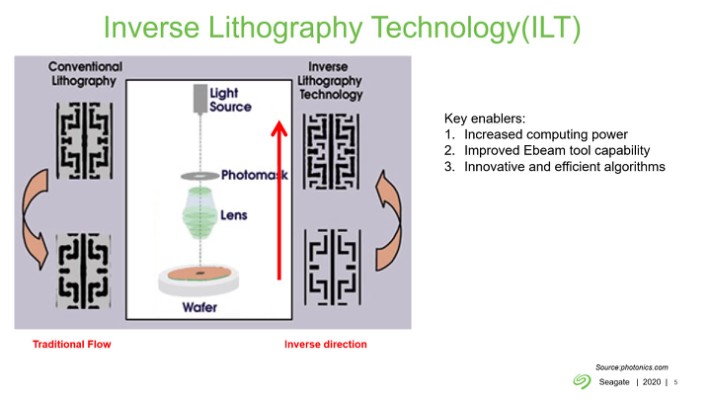
The application of a new stochastic search algorithm “Adam” in inverse lithography technology (ILT) in critical recording head fabrication process
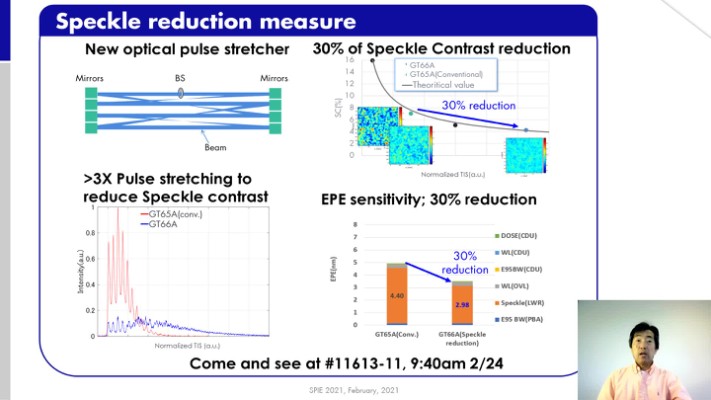
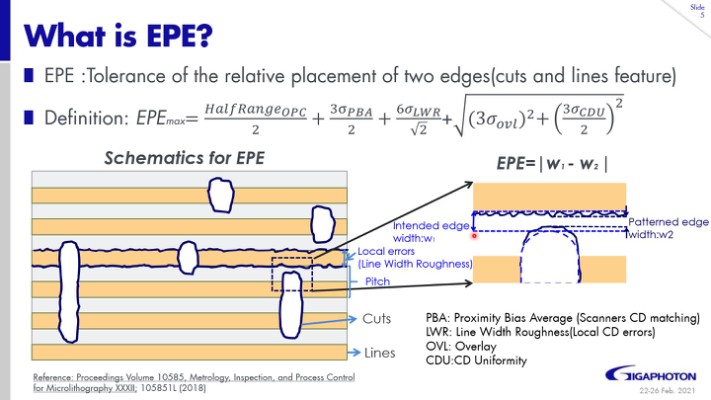
ArF lightsource “GT66A” for next-generation immersion lithography enhancing EPE and CD performance
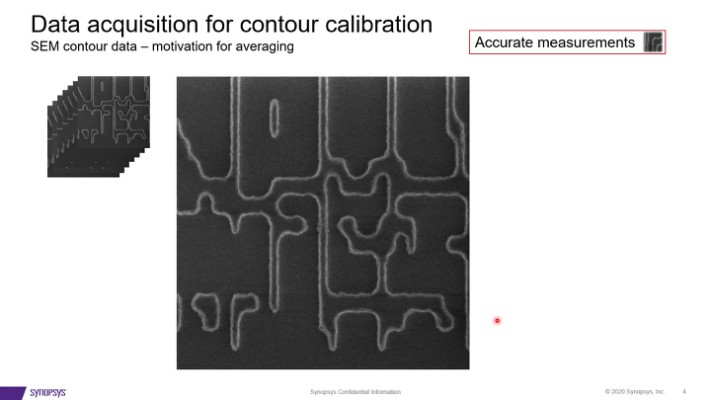
Contour-based model calibration to a minimum number of patterns
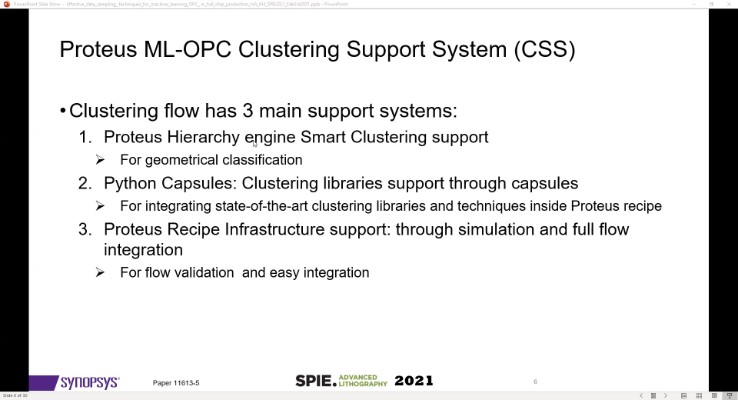
Effective data sampling techniques for machine learning OPC in full chip production
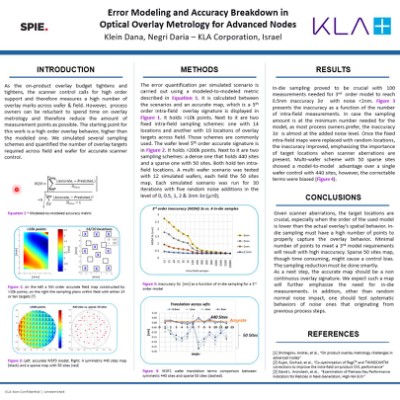
Error modeling and accuracy breakdown in optical overlay metrology for advanced nodes
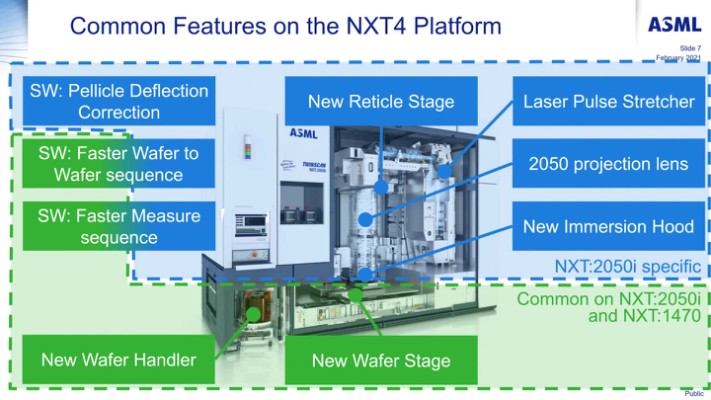
Extending DUV productivity and overlay through joint dry and immersion scanner advancements
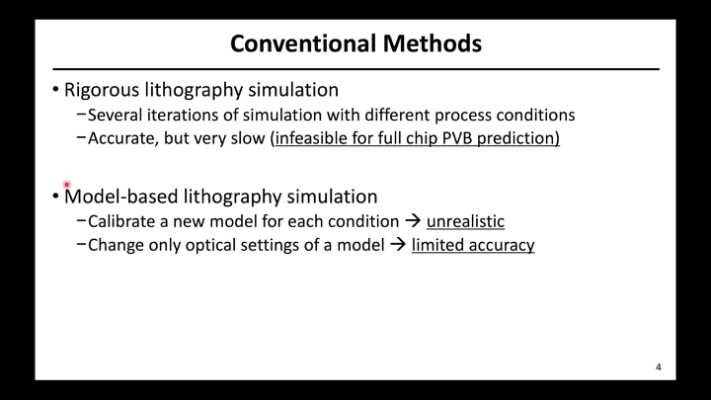
Fast prediction of process variation band through machine learning models
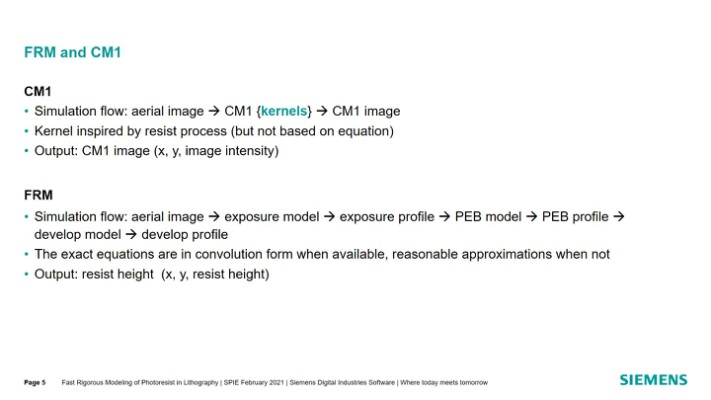
Fast rigorous modeling of photoresist in lithography
Full chip computational lithography for KrF
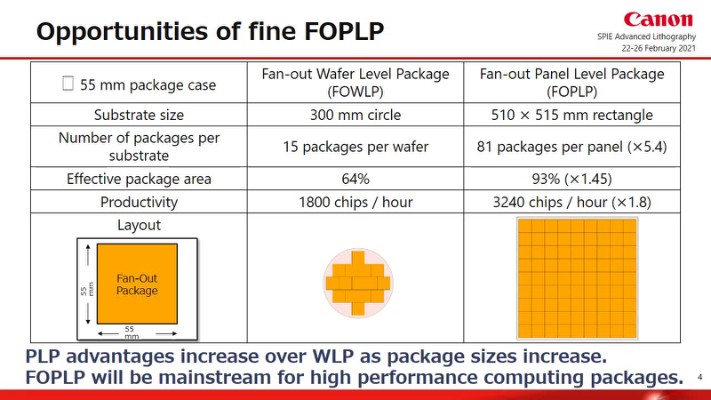
High-resolution patterning for panel level packaging
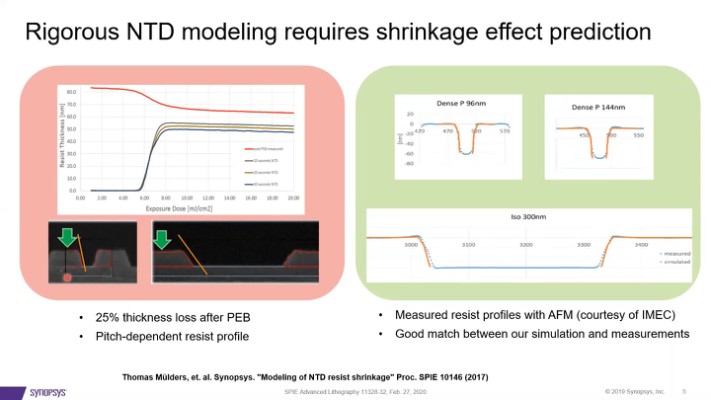
Increased OPC modeling accuracy of deformation effects in positive-tone development photoresists
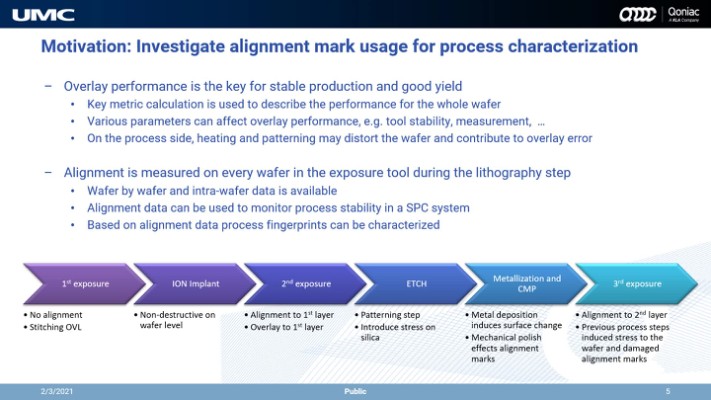
Innovative dual mark design for alignment verification and process monitoring in advanced lithography
Latest ArF light source with speckle reduction technology for immersion lithography improving chip yield
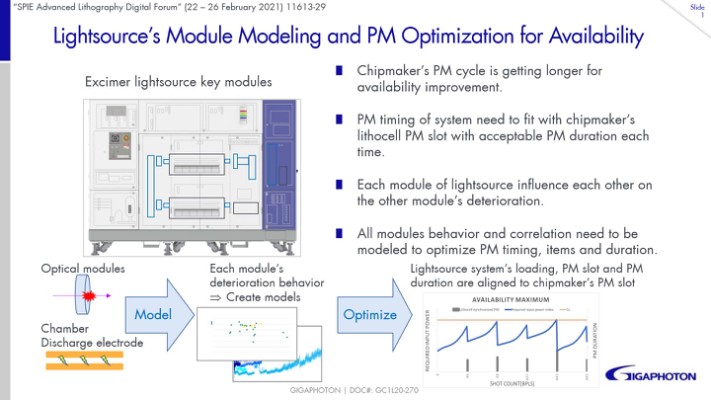
Lithocell availability improvement through light source maintenance cycle improvement and optimization and its availability impact analysis for cutting-edge ArFi light source
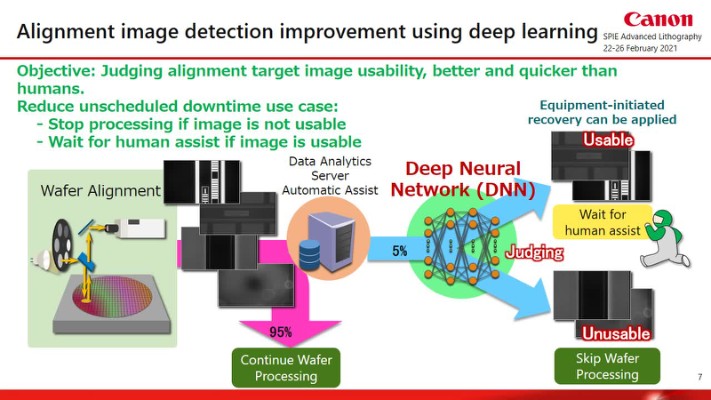
Lithography tool improvement at productivity and performance with data analysis and machine learning
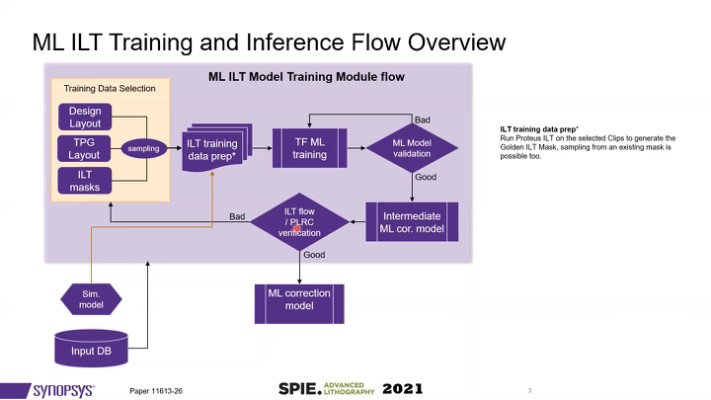
Machine learning ILT for memory customers
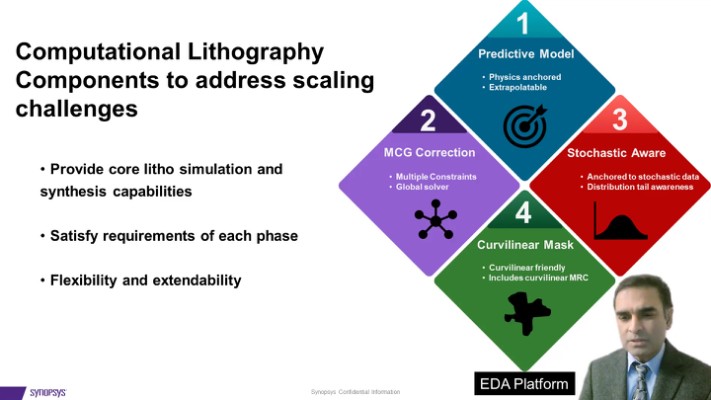
New scaling enablers in computational lithography
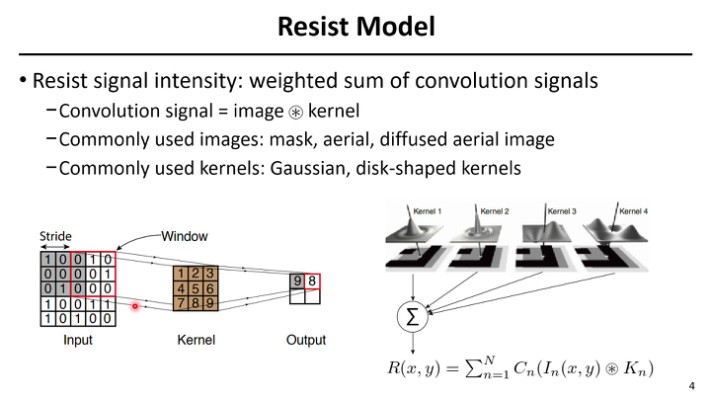
Optimization of accurate resist kernels through convolutional neural network
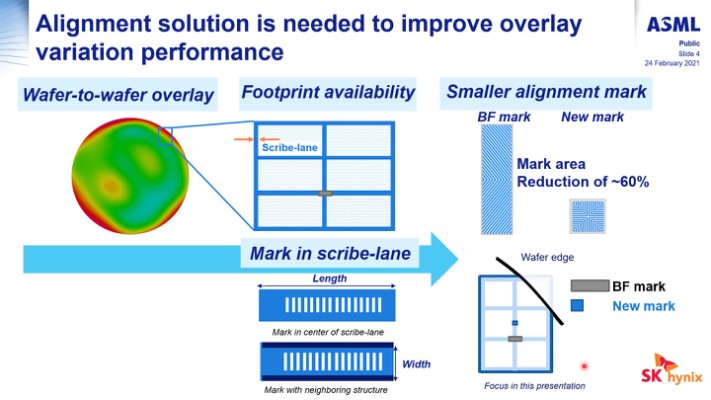
Qualification of small alignment mark by on-product overlay performance
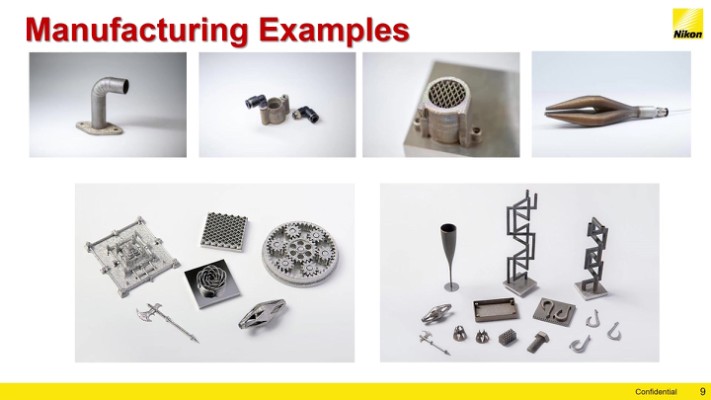
Recent developments and concepts in optical exposure technology
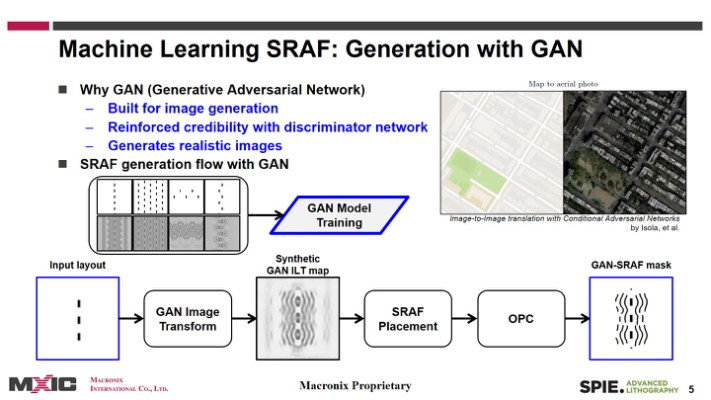
SRAF placement with generative adversarial network
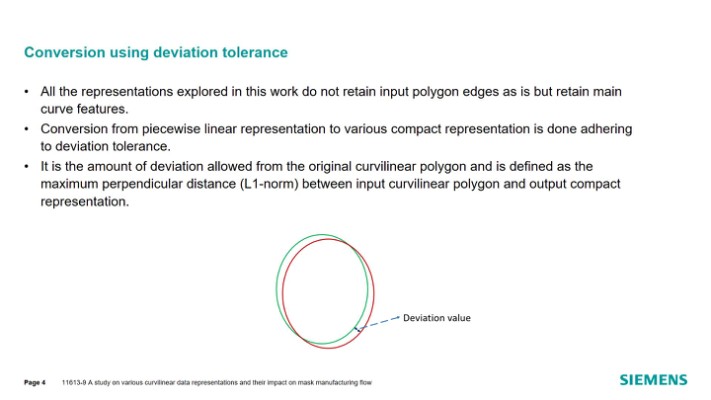
A study on various curvilinear data representations and their impact on mask manufacturing flow
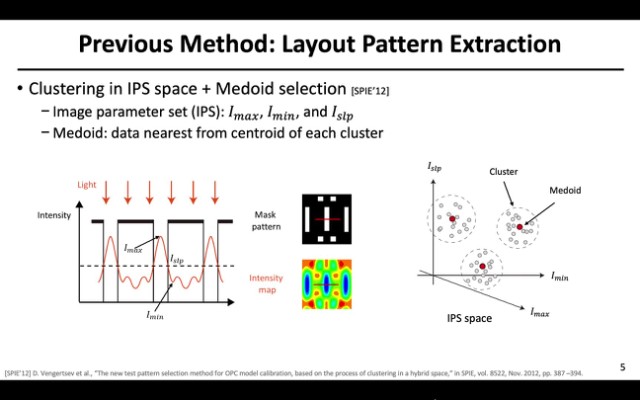
Test pattern extraction for lithography modeling under design rule revisions