Emby / Calculus I (Entire Course)
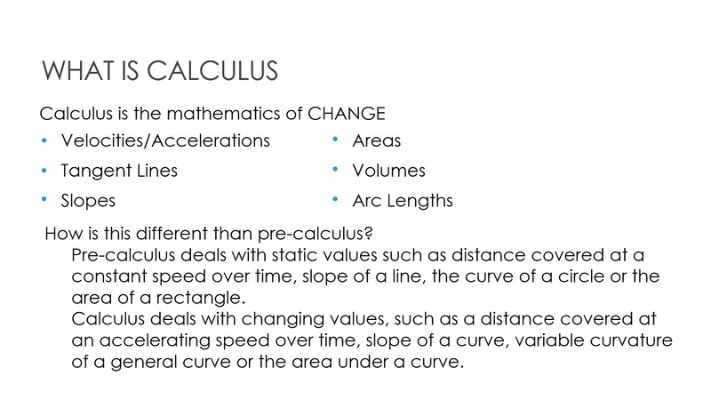
Calculus 1.1 A Preview of Calculus
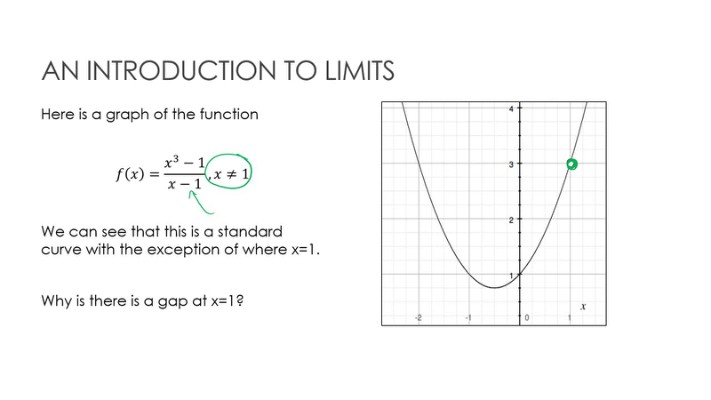
Calculus 1.2.1 Find Limits Graphically and Numerically - Estimate a Limit Numerically or Graphically
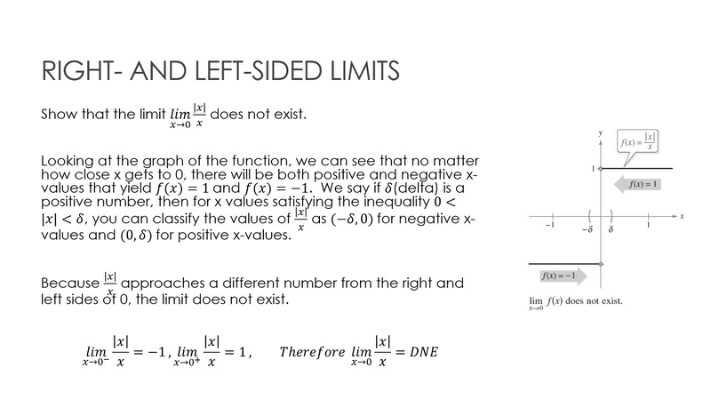
Calculus 1.2.2 Find Limits Graphically and Numerically - When Limits Fail to Exist
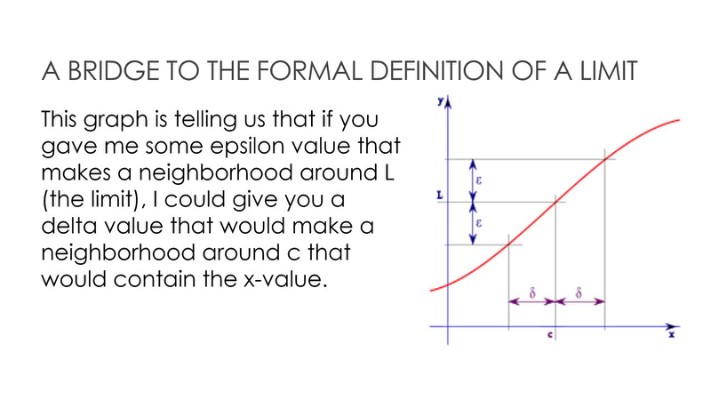
Calculus 1.2.3 Find Limits Graphically and Numerically - The Formal Definition of A Limit
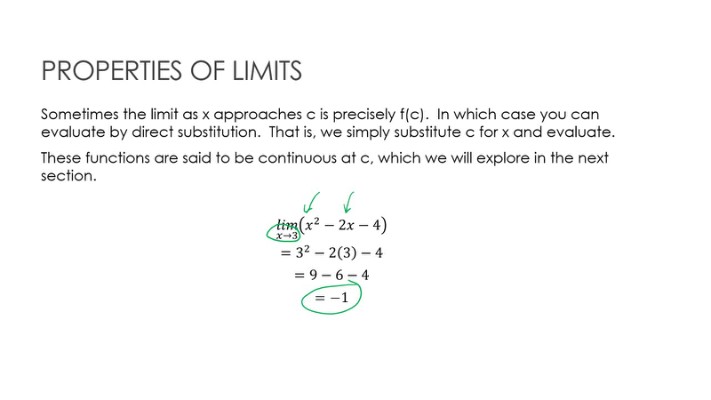
Calculus 1.3.1 Evaluating Limits Using Properties of Limits
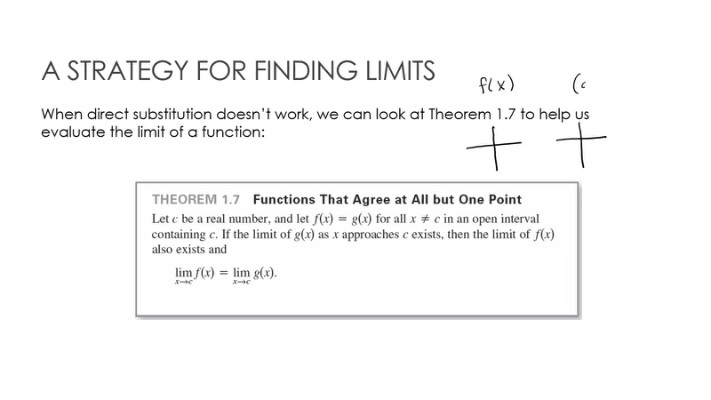
Calculus 1.3.2 Evaluating Limits By Dividing Out or Rationalizing
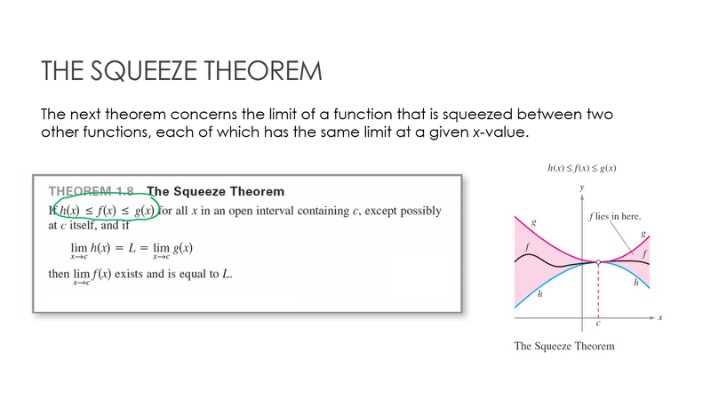
Calculus 1.3.3 Evaluating Limits Using the Squeeze Theorem
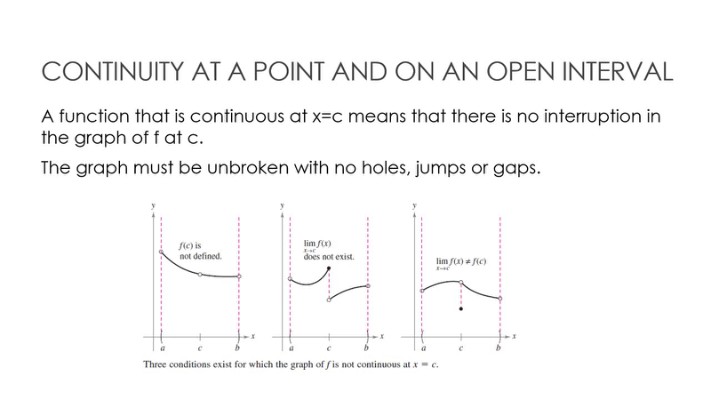
Calculus 1.4.1 Continuity on Open Intervals
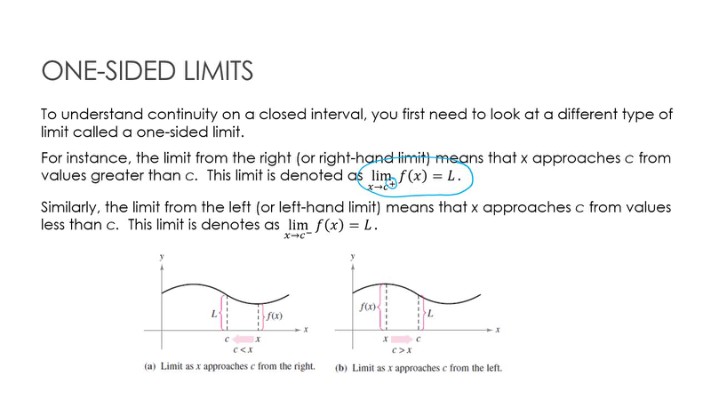
Calculus 1.4.2 Continuity on Closed Intervals
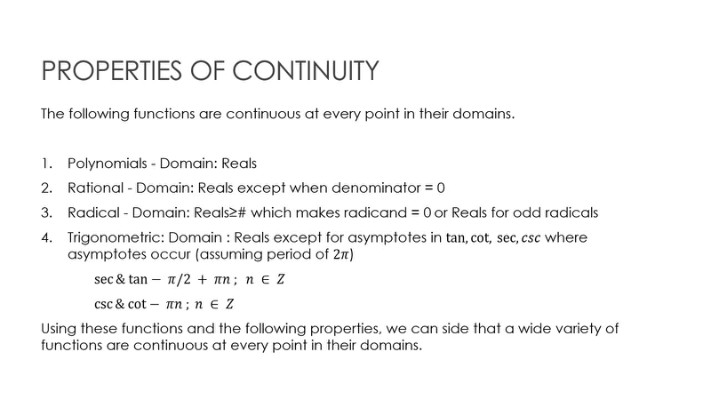
Calculus 1.4.3 Properties of Continuity
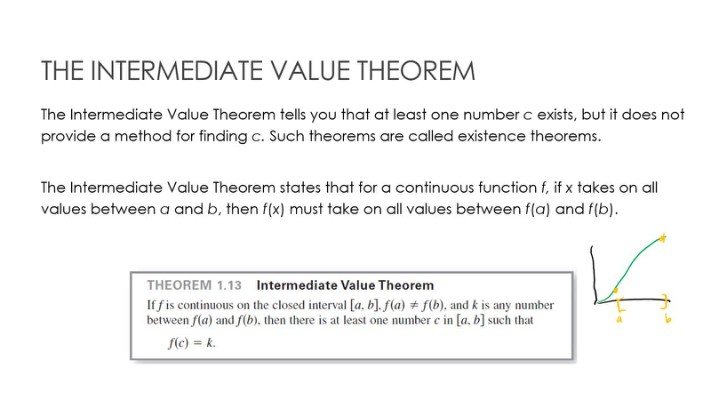
Calculus 1.4.4 The Intermediate Value Theorem
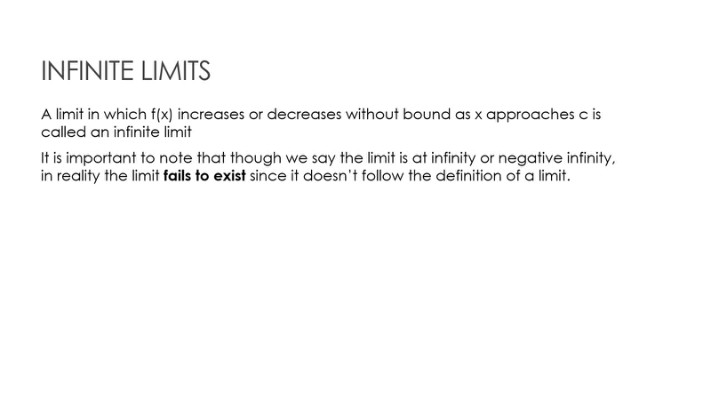
Calculus 1.5.1 Determine Infinite Limits
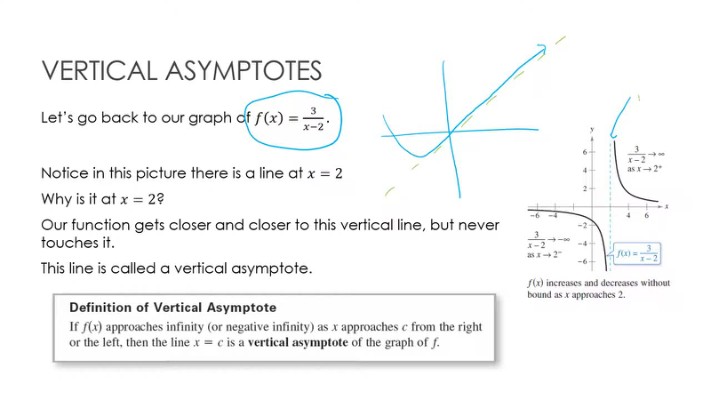
Calculus 1.5.2 Determine Vertical Asymptotes
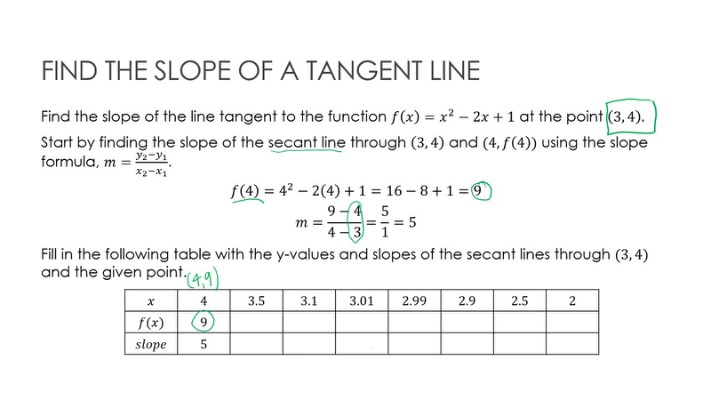
Calculus 2.1.1 Find the Slope of a Tangent Line
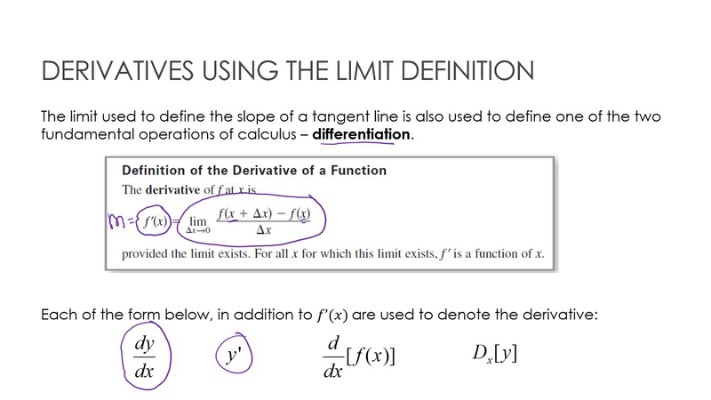
Calculus 2.1.2 Derivatives Using the Limit Definition
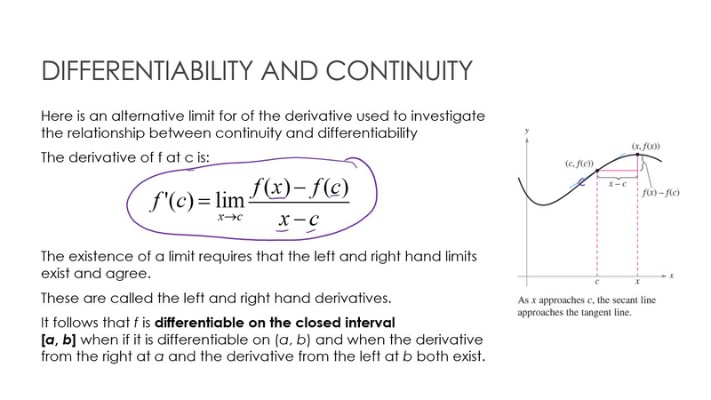
Calculus 2.1.3 Differentiability and Continuity
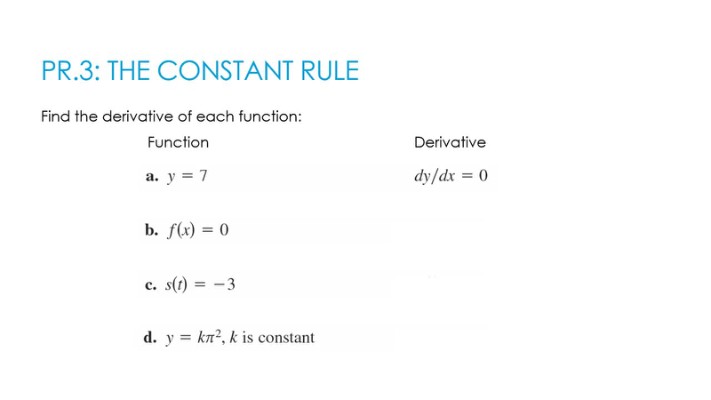
Calculus 2.2.1 Basic Differentiation Rules
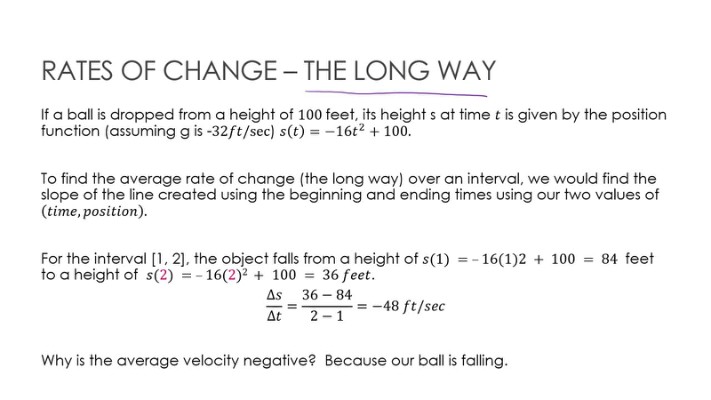
Calculus 2.2.2 Rates of Change
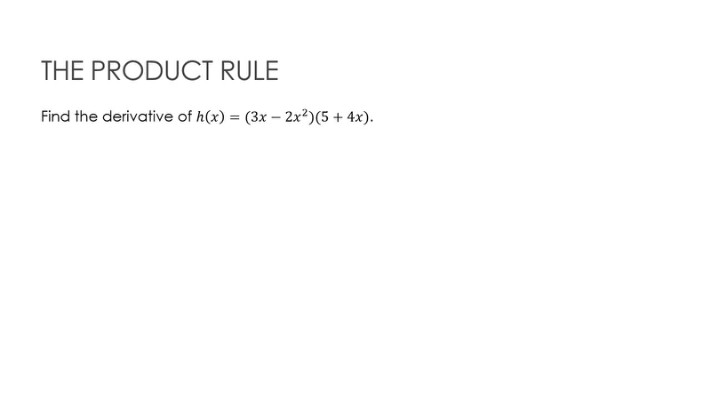
Calculus 2.3.1 The Product and Quotient Rules
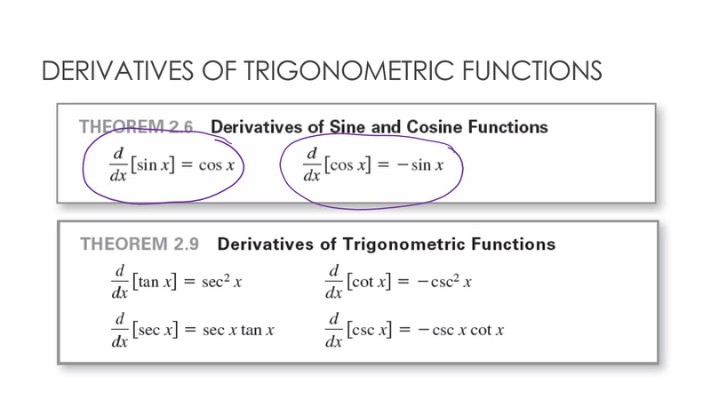
Calculus 2.3.2 Derivatives of Trigonometric Functions
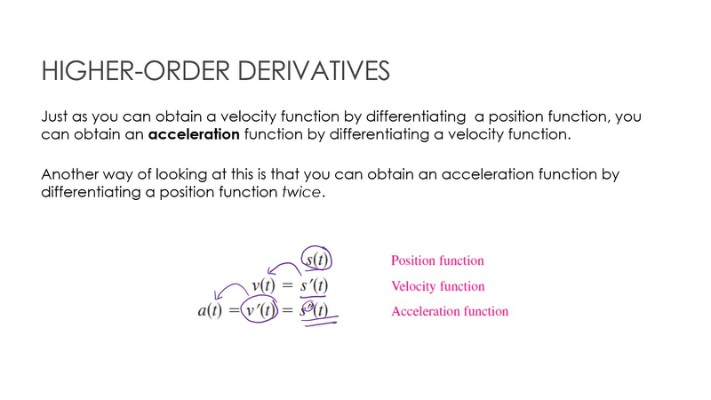
Calculus 2.3.3 Higher Order Derivatives
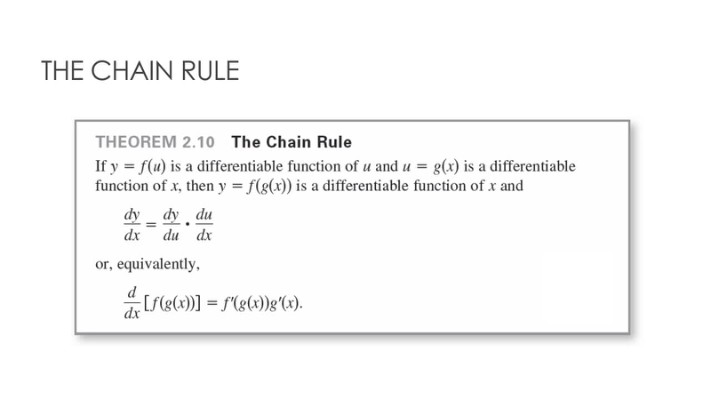
Calculus 2.4.1 The Chain Rule
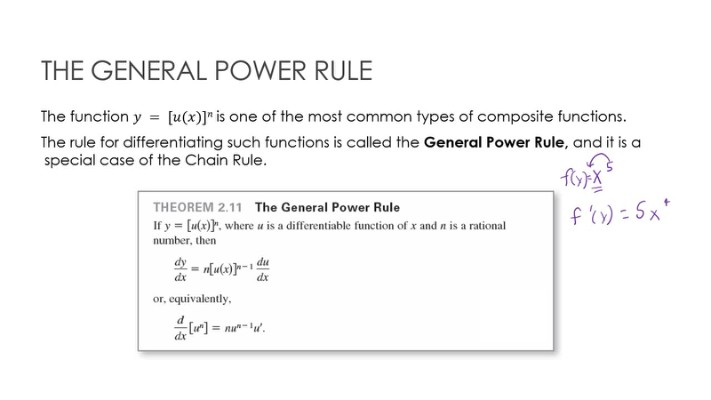
Calculus 2.4.2 The General Power Rule
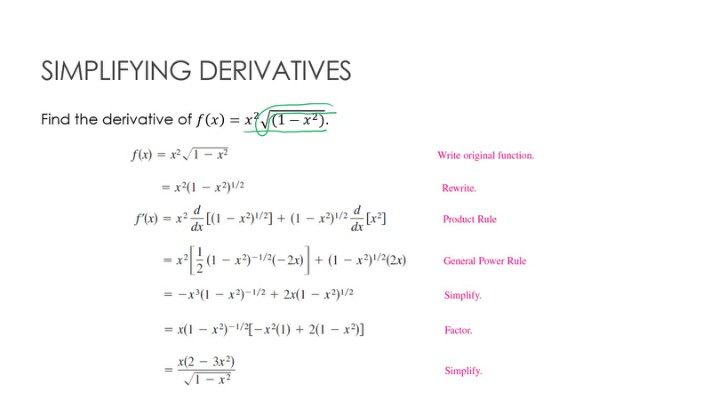
Calculus 2.4.3 Simplifying Derivatives
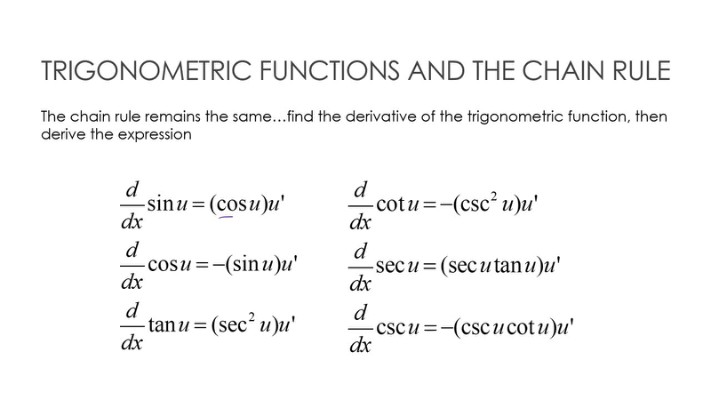
Calculus 2.4.4 Trigonometric Functions and the Chain Rule
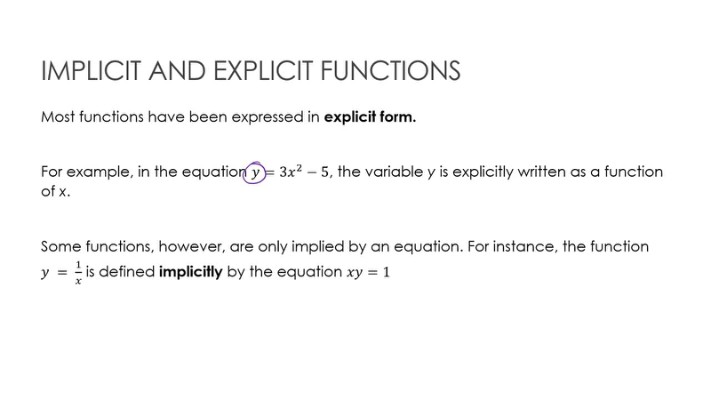
Calculus 2.5.1 Implicit and Explicit Functions
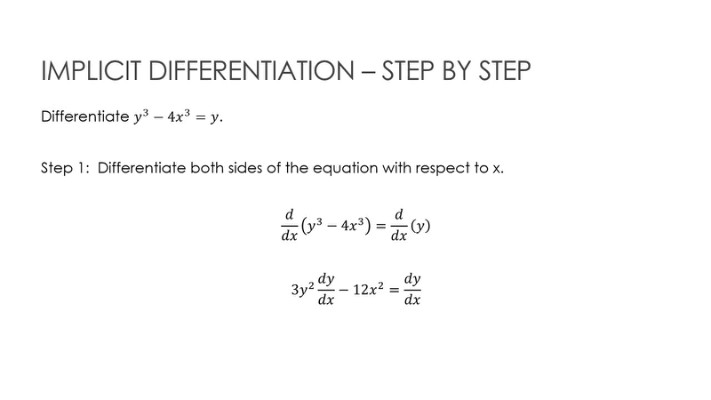
Calculus 2.5.2 Implicit Differentiation
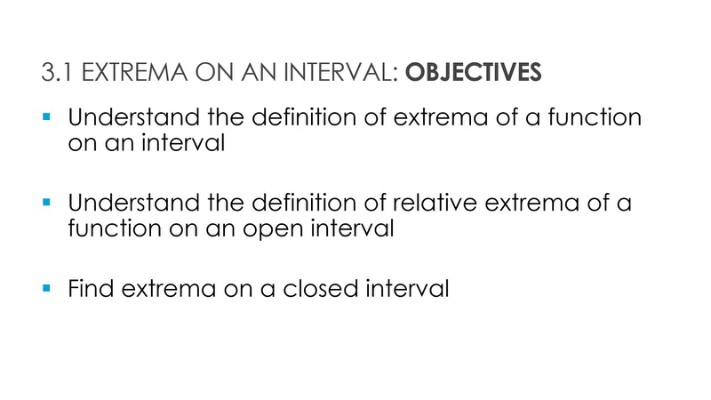
Calculus 3.1.1 Extrema of a Function on an Interval
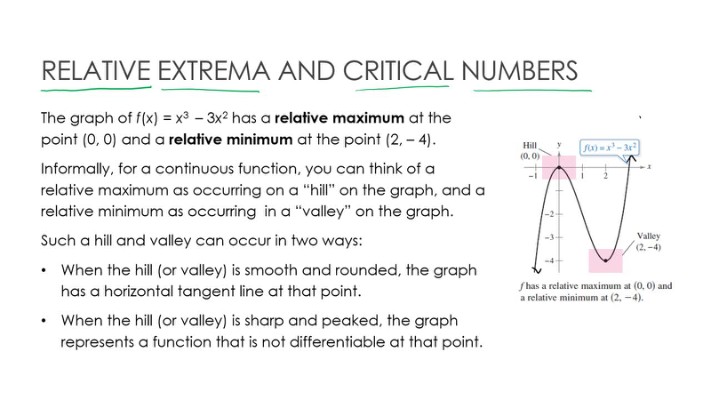
Calculus 3.1.2 Relative Extrema of a Function on an Open Interval
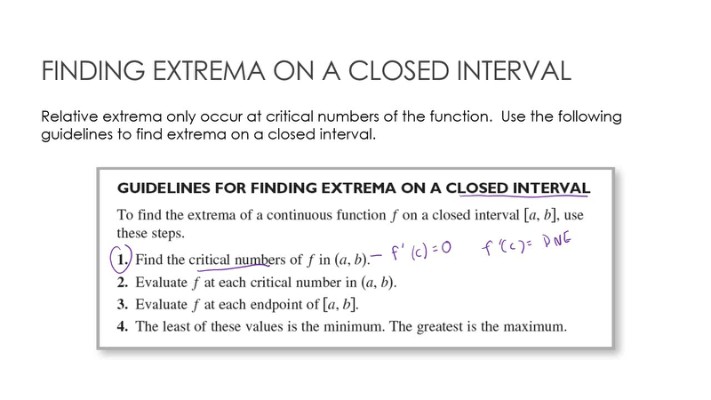
Calculus 3.1.3 Find Extrema on a Closed Interval
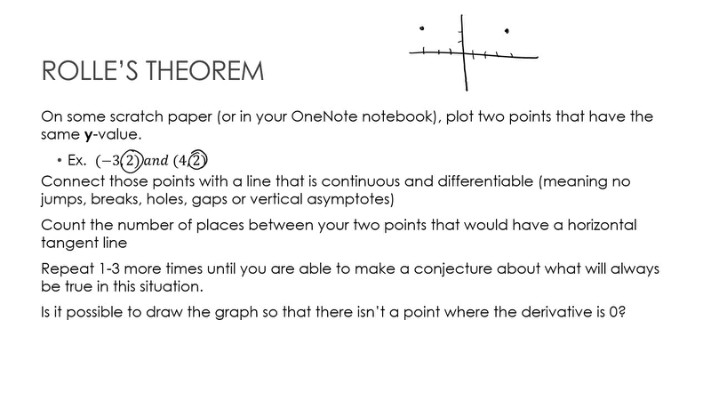
Calculus 3.2.1 Rolle’s Theorem
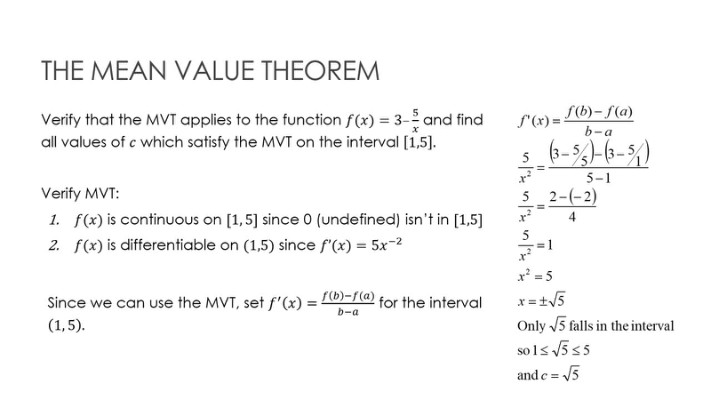
Calculus 3.2.2 The Mean Value Theorem
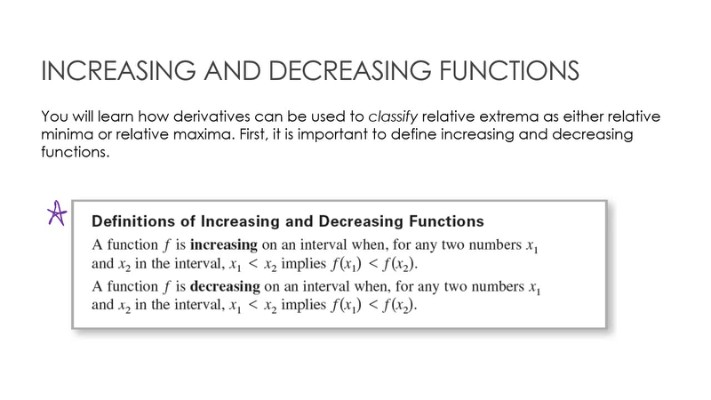
Calculus 3.3.1 Increasing and Decreasing Intervals
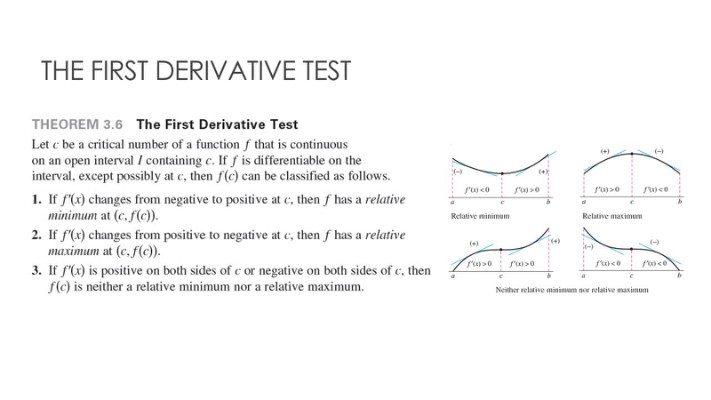
Calculus 3.3.2 The First Derivative Test
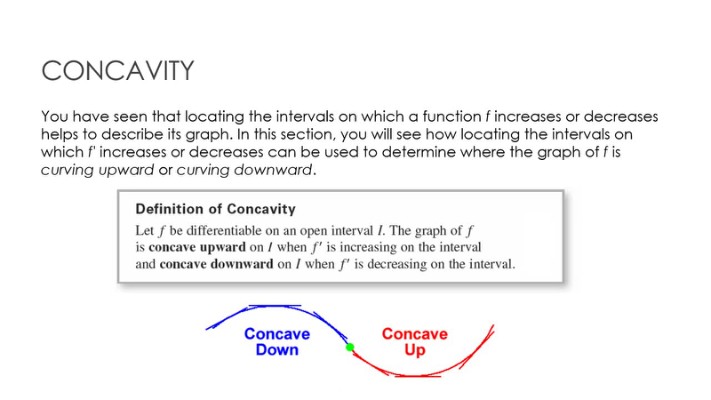
Calculus 3.4.1 Intervals of Concavity
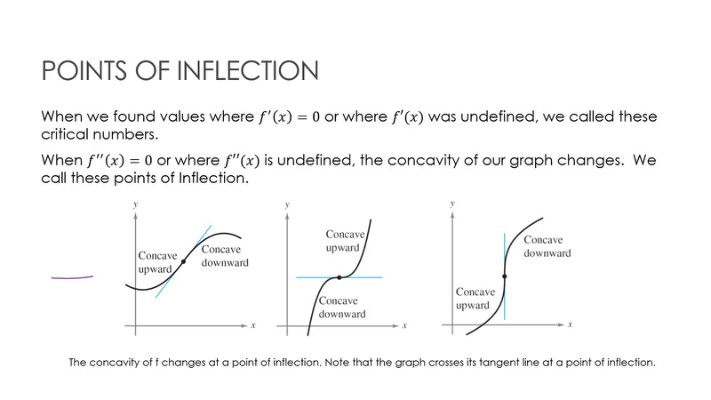
Calculus 3.4.2 Points of Inflection
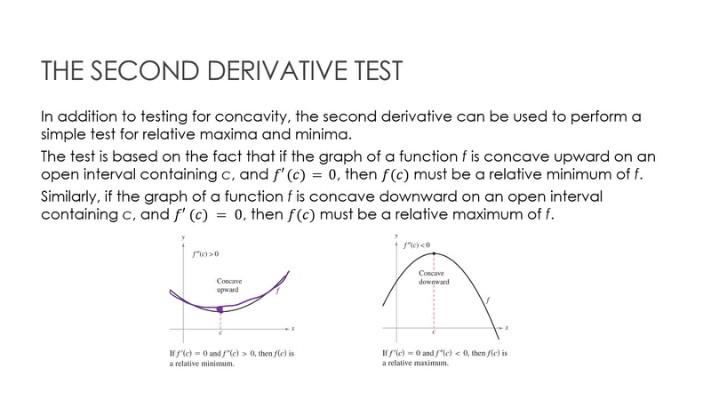
Calculus 3.4.3 The Second Derivative Test
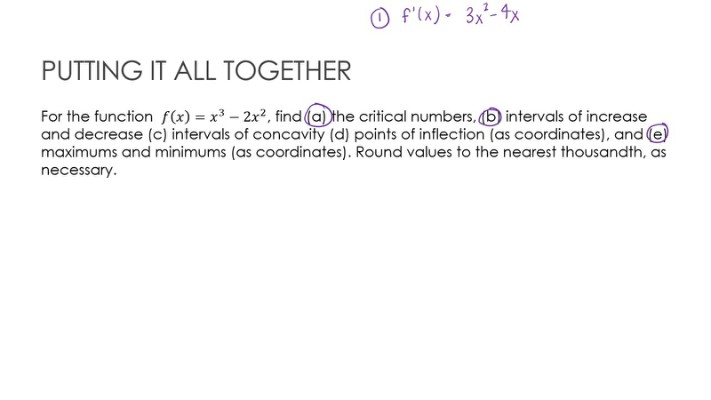
Calculus 3.4.4 Putting It All Together
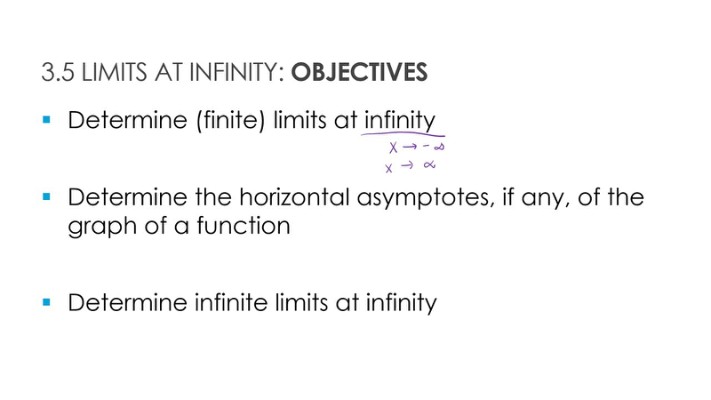
Calculus 3.5.1 Determine Finite Limits at Infinity
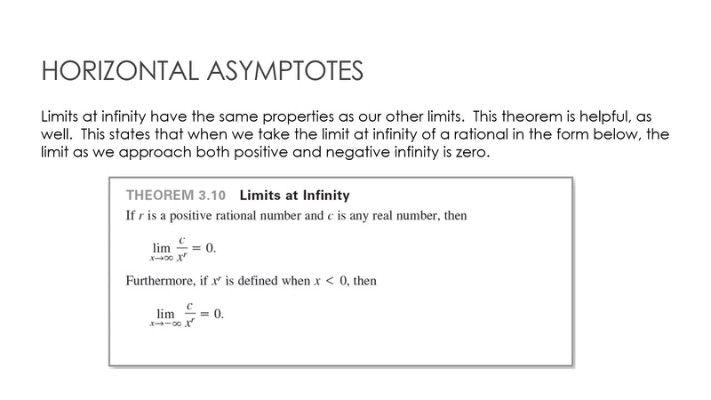
Calculus 3.5.2 Determine Horizontal Asymptotes of a Function
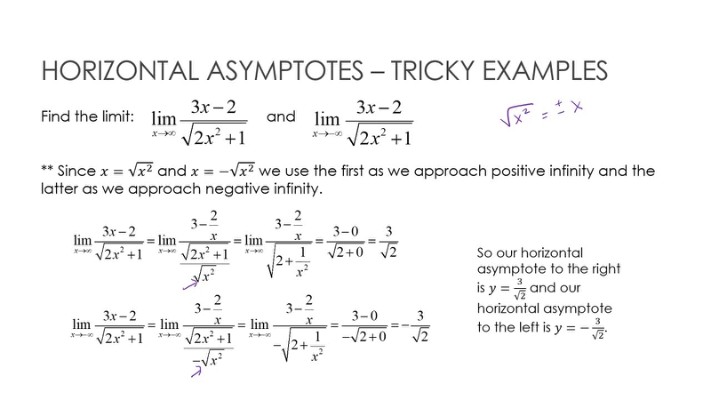
Calculus 3.5.3 Horizontal Asymptotes - Tricky Examples
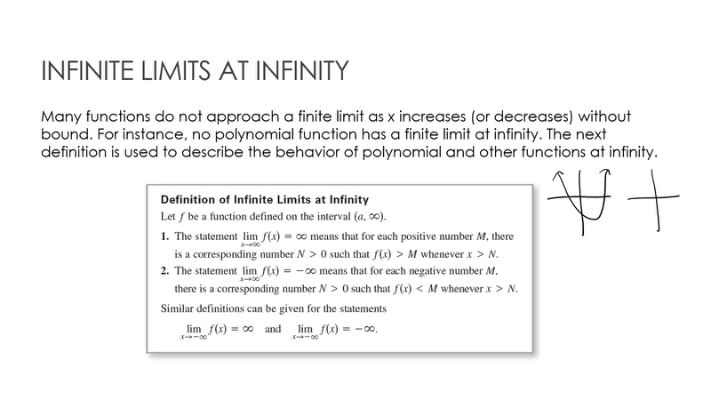
Calculus 3.5.4 Determine Infinite Limits at Infinity
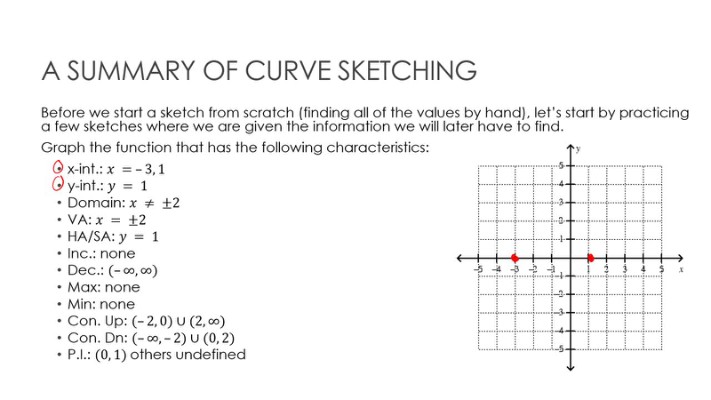
Calculus 3.6.1 A Summary of Curve Sketching
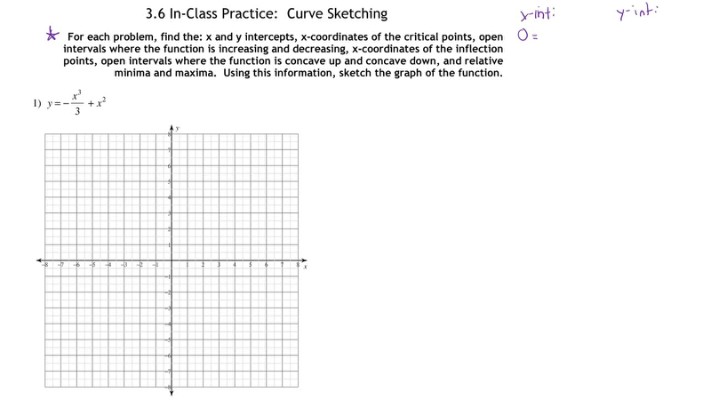
Calculus 3.6.2 Curve Sketching - Full Practice
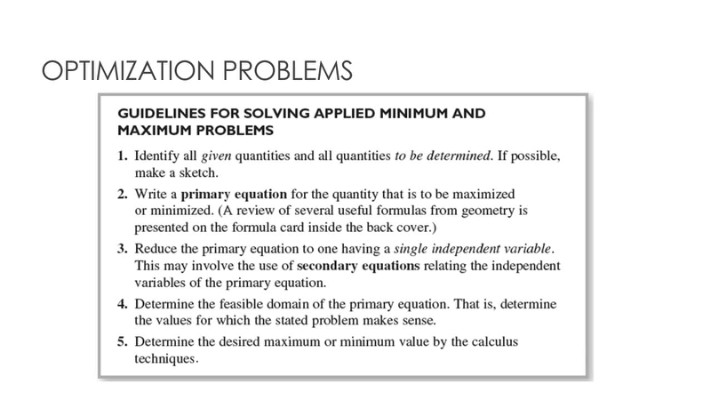
Calculus 3.7.1 Optimization Problems
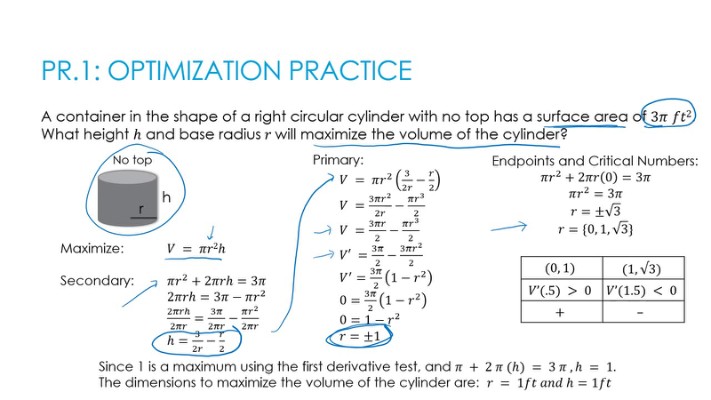
Calculus 3.7.2 Optimization Practice
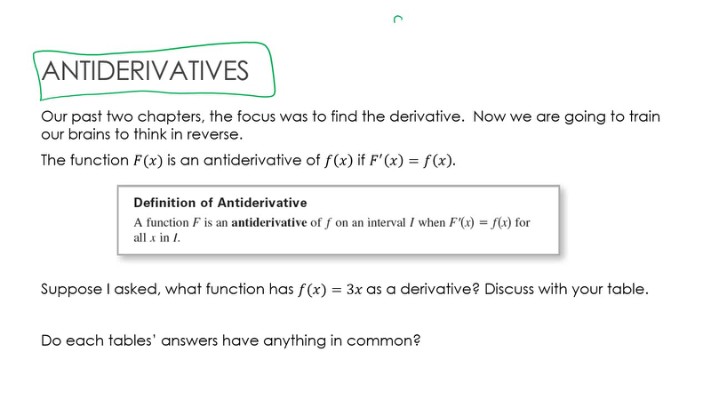
Calculus 4.1.1 Antiderivatives
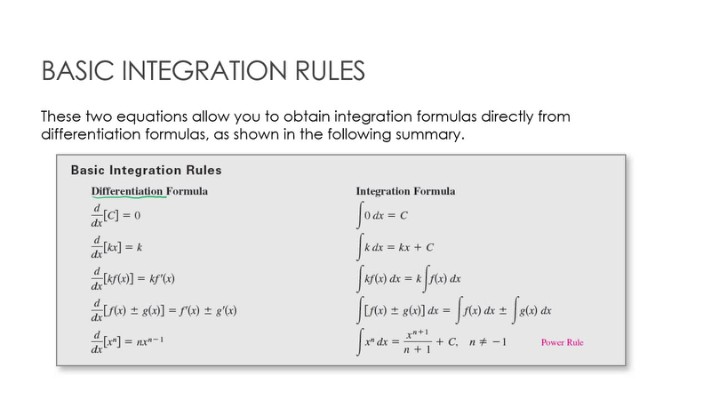
Calculus 4.1.2 Basic Integration Rules
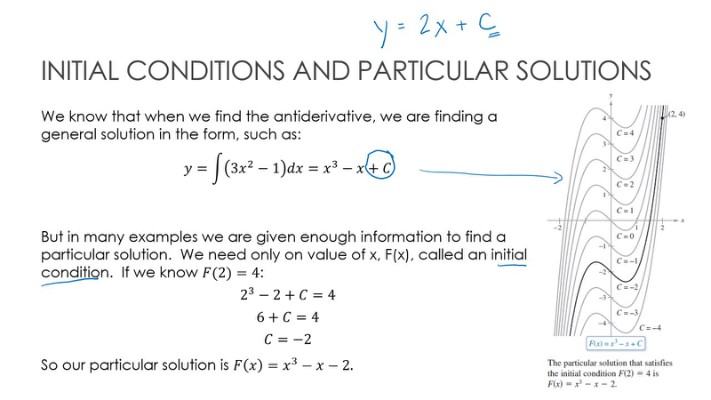
Calculus 4.1.3 Find Particular Solutions to Differential Equations
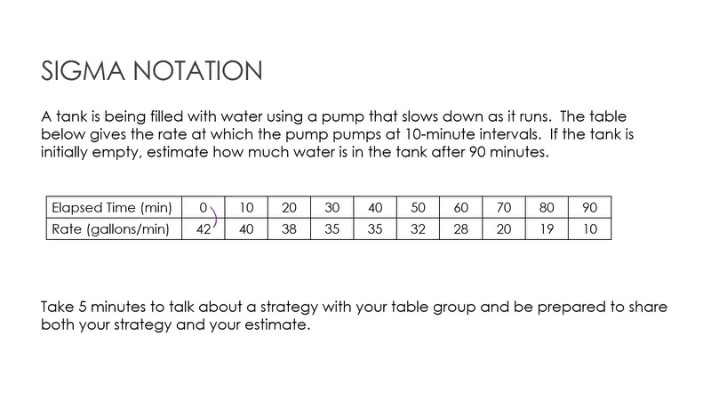
Calculus 4.2.1 Sigma Notation
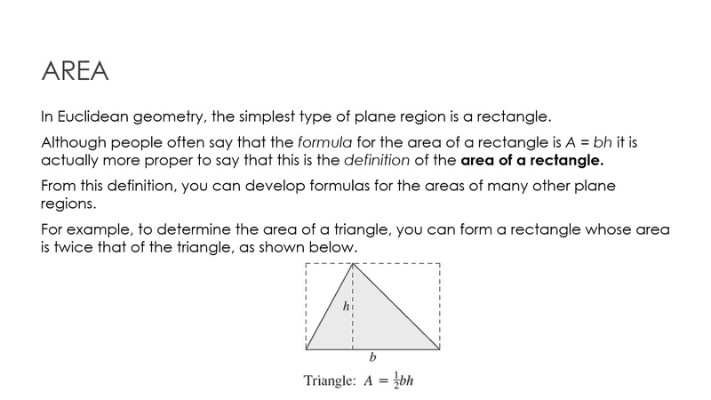
Calculus 4.2.2 The Concept of Area
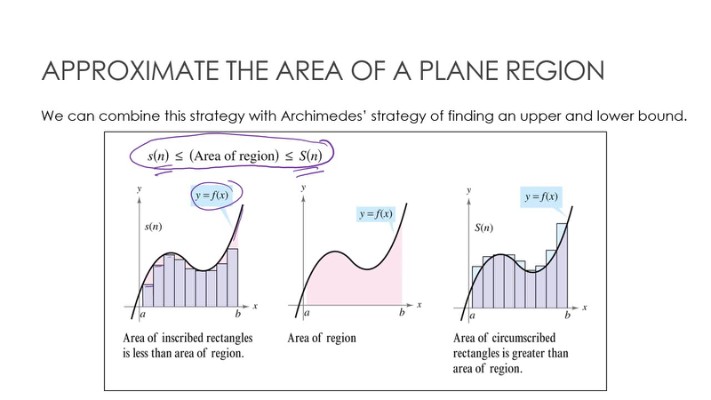
Calculus 4.2.3 The Approximate Area of a Plane Region
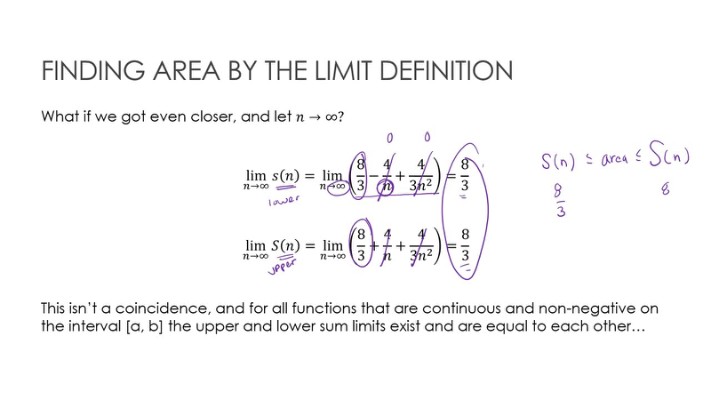
Calculus 4.2.4 Finding Area By The Limit Definition
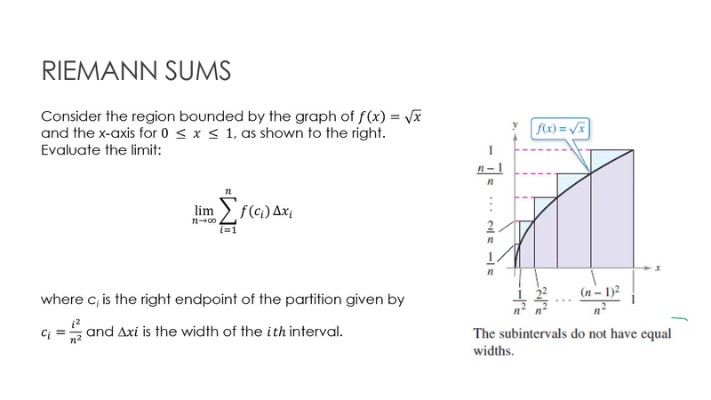
Calculus 4.3.1 Riemann Sums
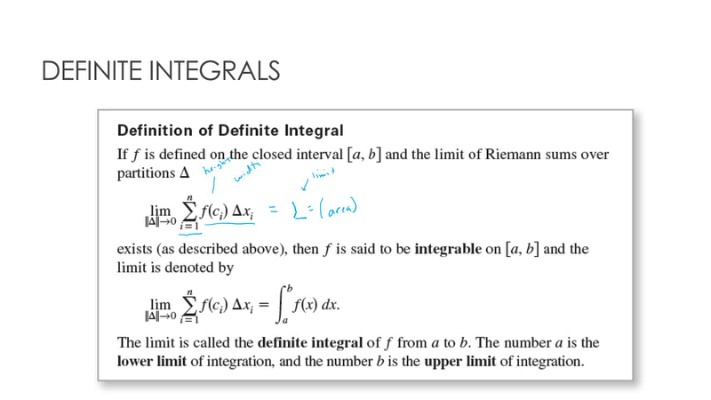
Calculus 4.3.2 Definite Integrals
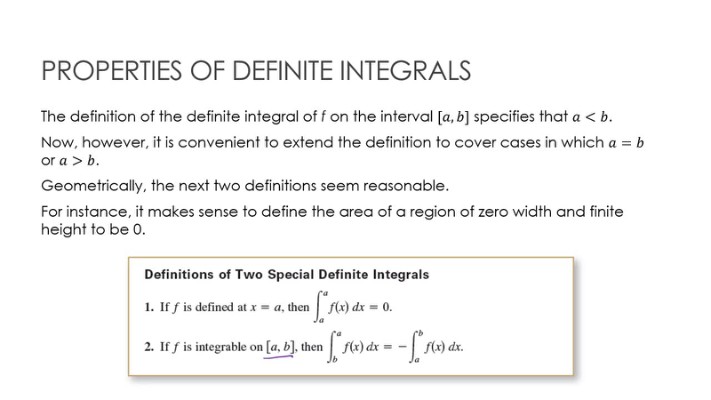
Calculus 4.3.3 Properties of Definite Integrals
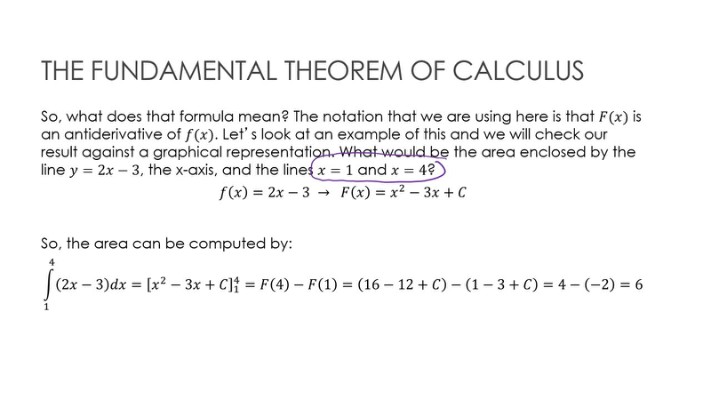
Calculus 4.4.1 The Fundamental Theorem of Calculus
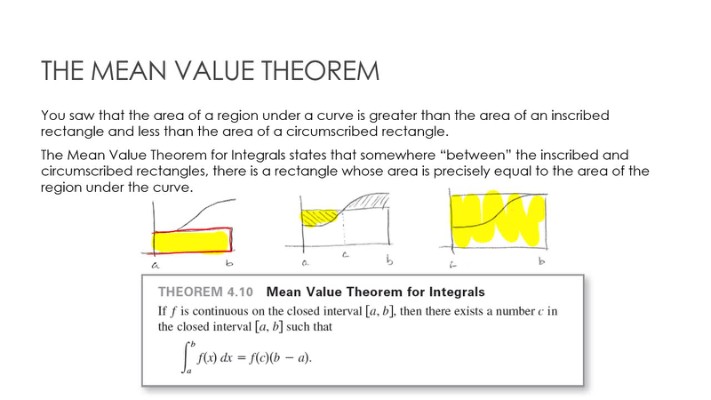
Calculus 4.4.2 The Mean Value Theorem for Integrals
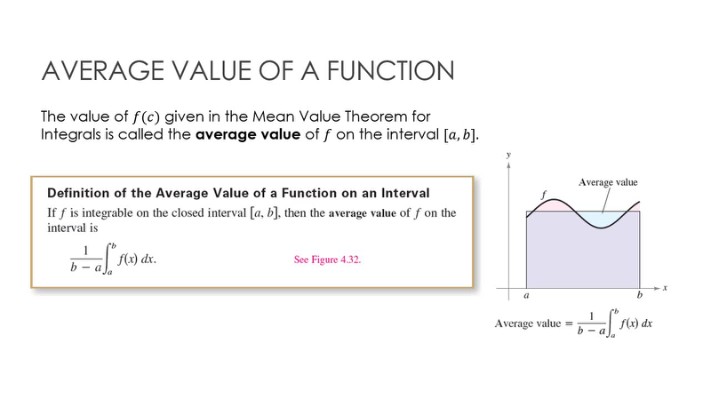
Calculus 4.4.3 The Average Value of a Function
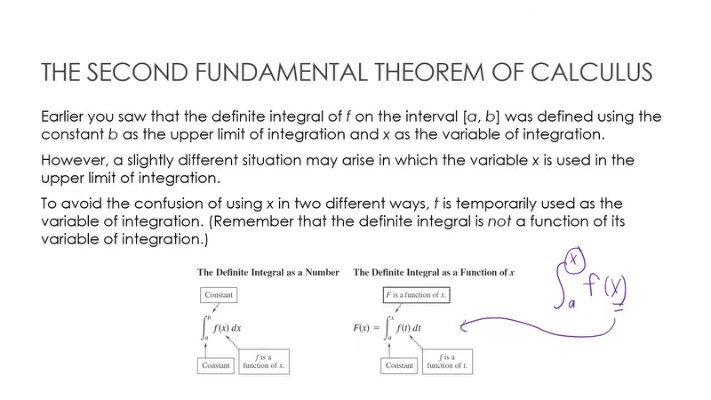
Calculus 4.4.4 The Second Fundamental Theorem of Calculus
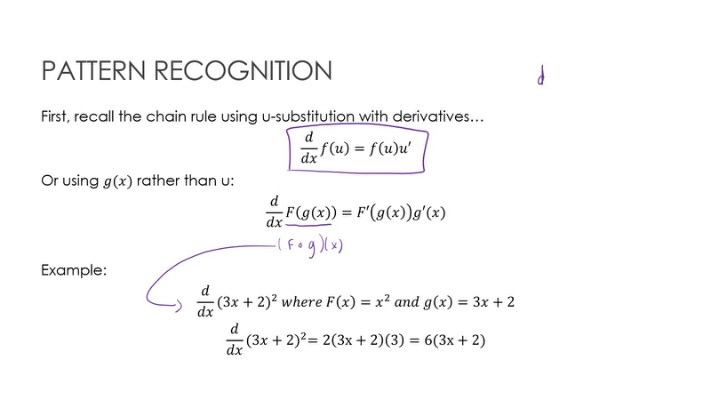
Calculus 4.5.1 Use Pattern Recognition in Indefinite Integrals
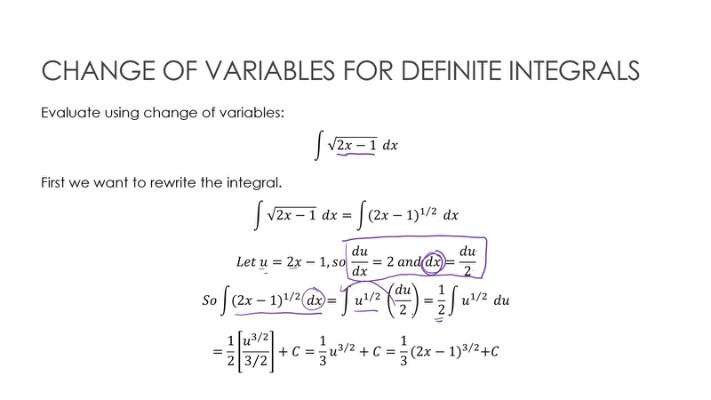
Calculus 4.5.2 Change of Variables for Indefinite Integrals
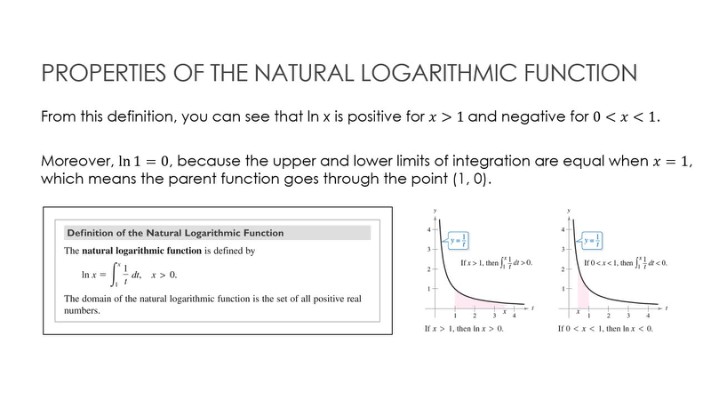
Calculus 5.1.1 Properties of the Natural Logarithmic Function
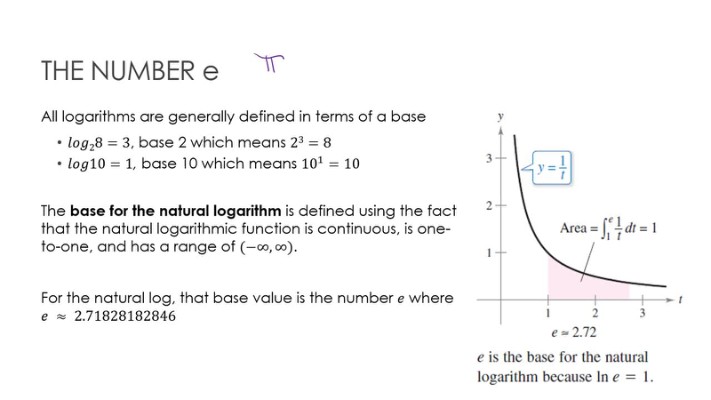
Calculus 5.1.2 The Number e
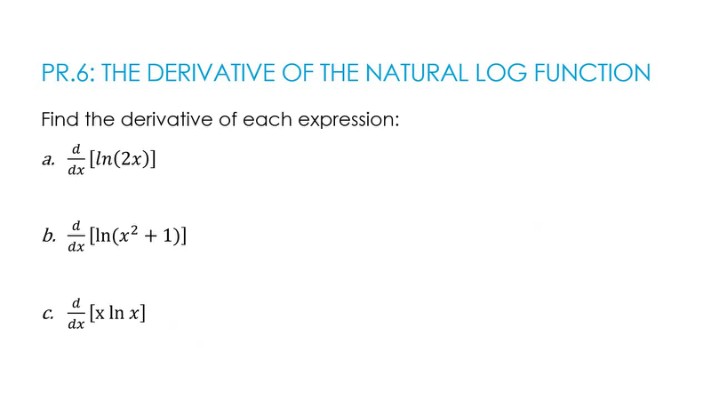
Calculus 5.1.3 The Derivative of the Natural Logarithmic Function
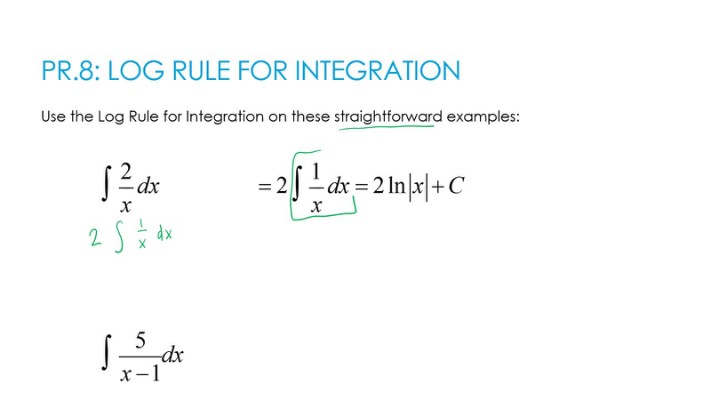
Calculus 5.2.1 The Log Rule for Integration
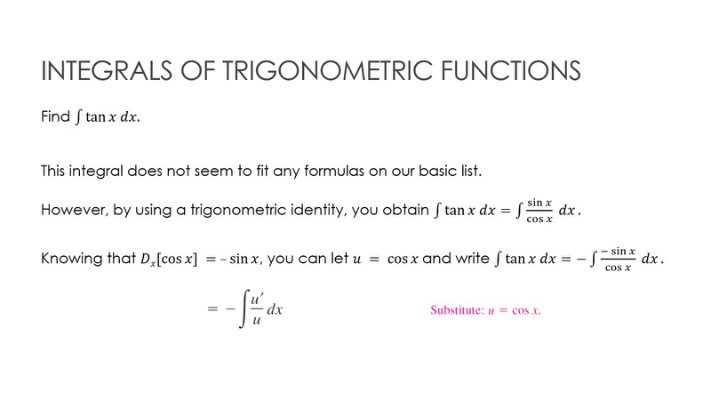
Calculus 5.2.2 Integrals of Trigonometric Functions
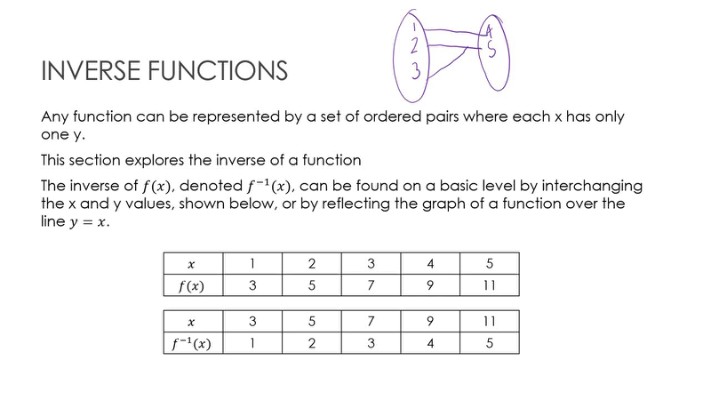
Calculus 5.3.1 Verify Functions are Inverses of One Another
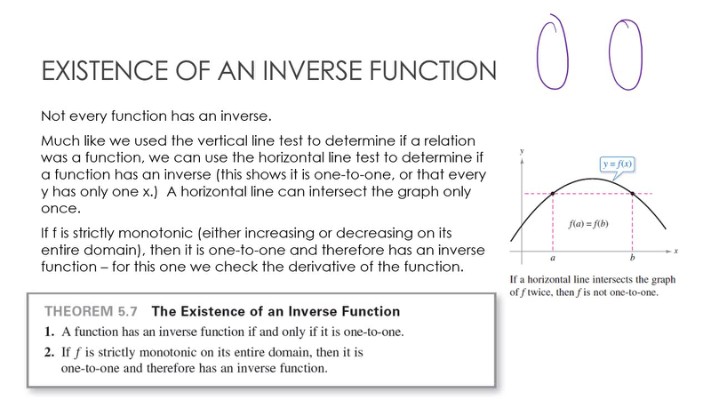
Calculus 5.3.2 Determine Whether a Function Has An Inverse
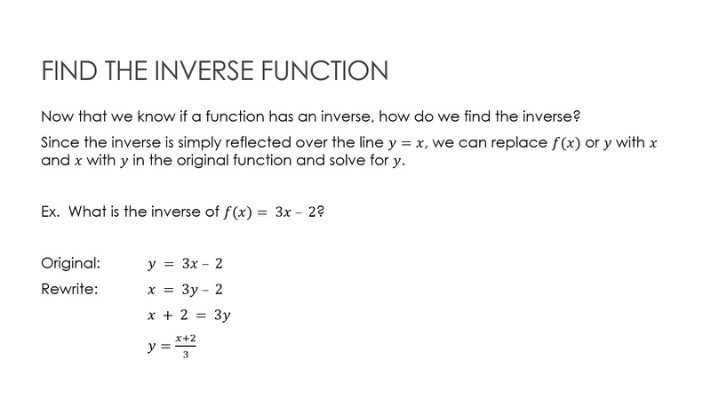
Calculus 5.3.3 Find the Inverse of a Function
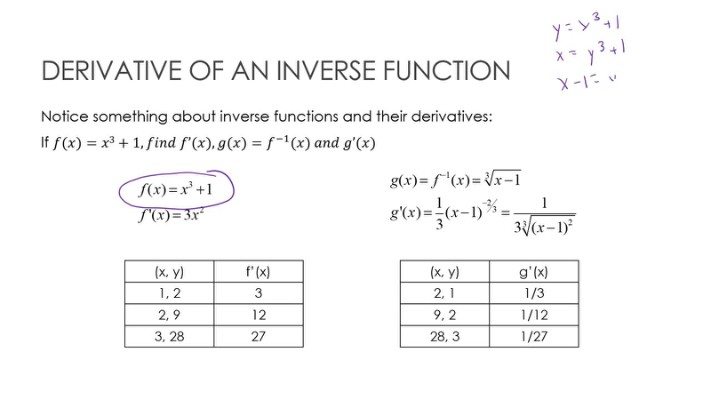
Calculus 5.3.4 Find the Derivative of an Inverse of a Function
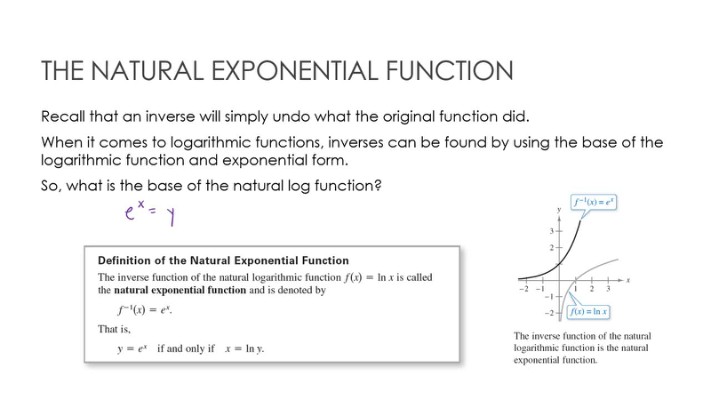
Calculus 5.4.1 The Natural Exponential Function
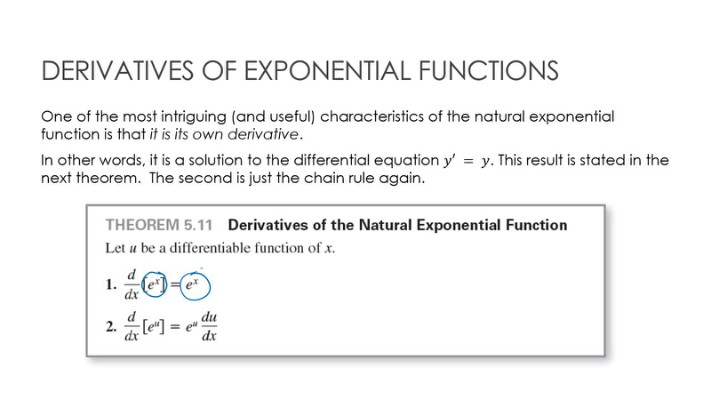
Calculus 5.4.2 Derivatives of the Natural Exponential Function
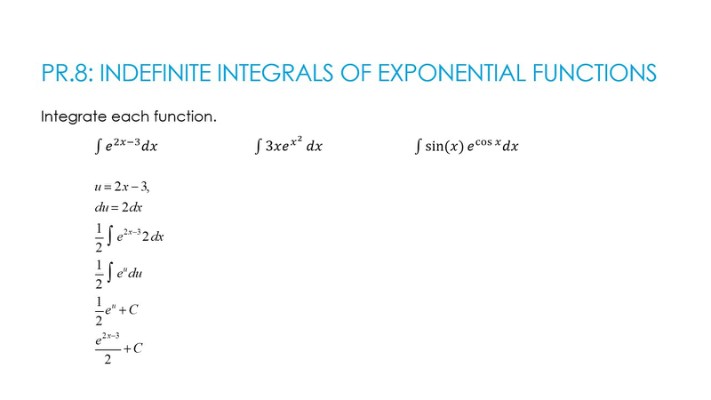
Calculus 5.4.3 Integrals of the Natural Exponential Function
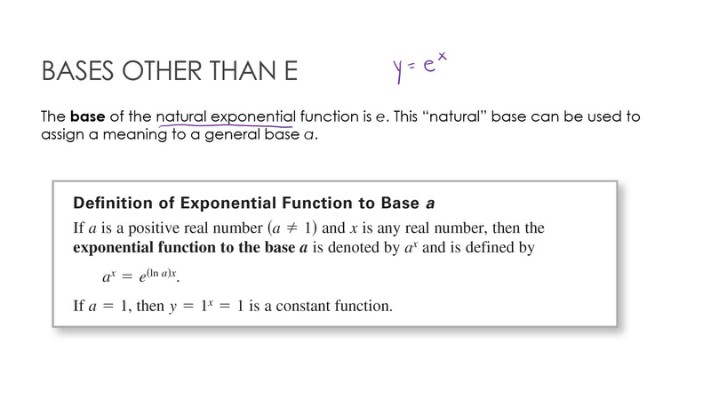
Calculus 5.5.1 Exponential Functions with Bases Other than e
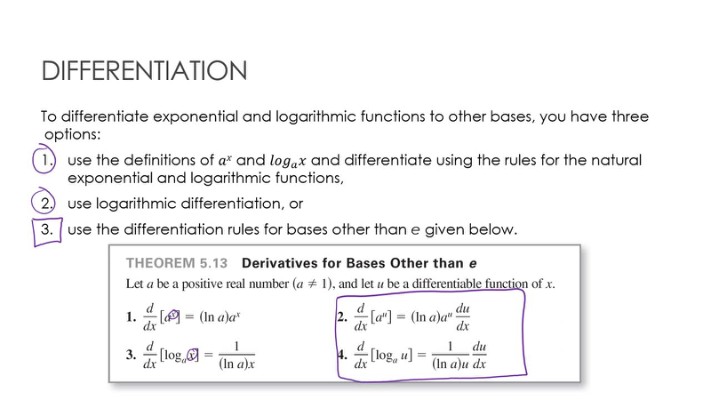
Calculus 5.5.2 Differentiate and Integrate with Bases Other than e
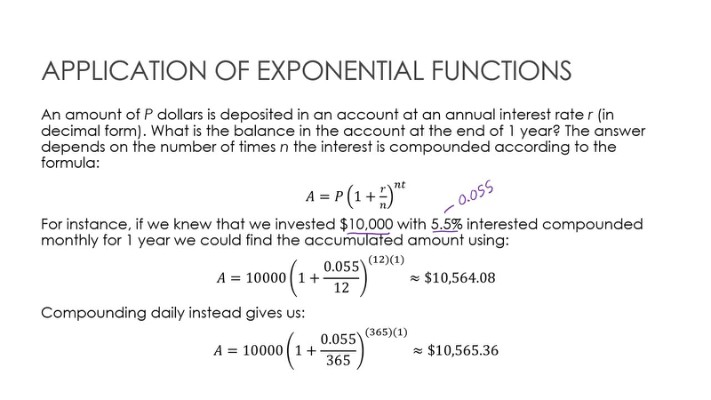
Calculus 5.5.3 Applications of Bases Other than e
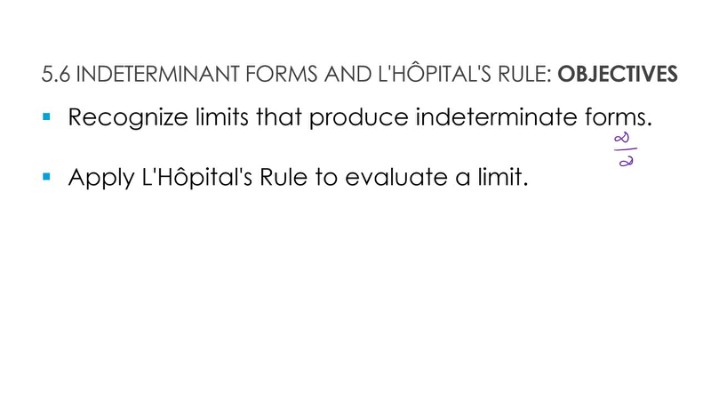
Calculus 5.6.1 Indeterminate Forms
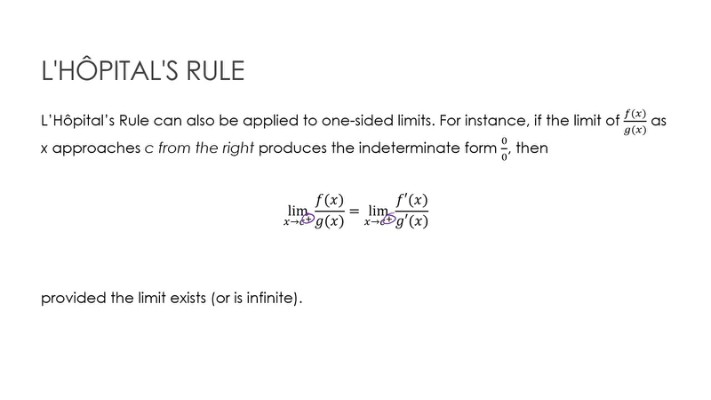
Calculus 5.6.2 L’Hôpital’s Rule
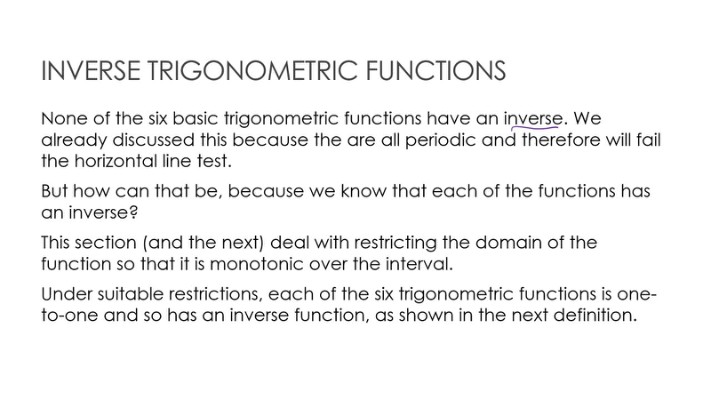
Calculus 5.7.1 Inverse Trigonometric Functions
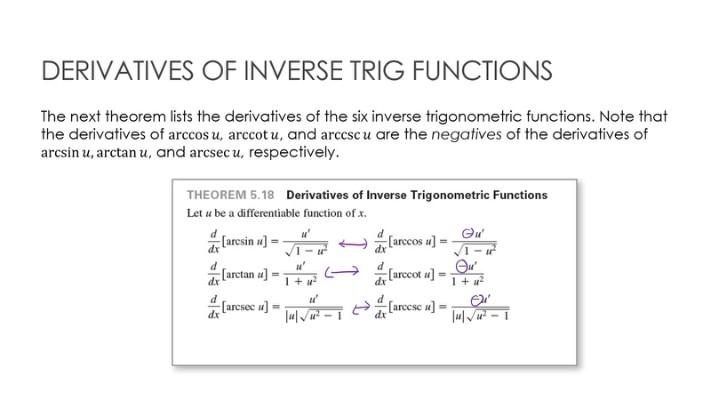
Calculus 5.7.2 Derivatives of Inverse Trigonometric Functions
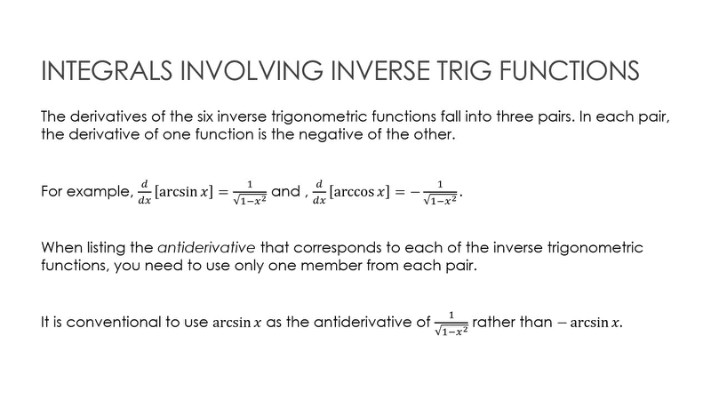
Calculus 5.8.1 Integrate Inverse Trigonometric Functions
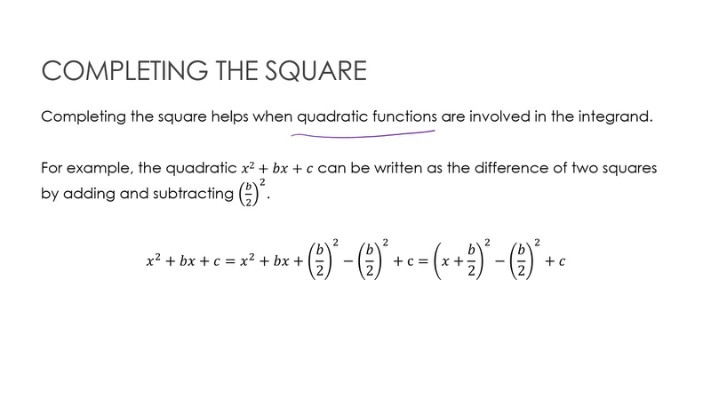
Calculus 5.8.2 Integrate Using the Completing the Square Technique
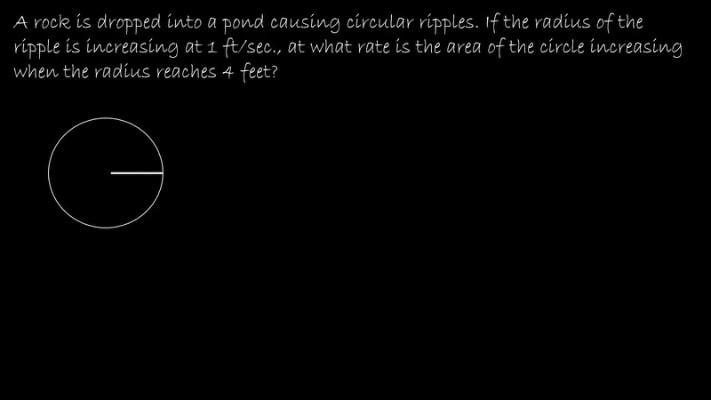
Calculus I - 2.6.1 Related Rates - Water Ripples (2D Circle)
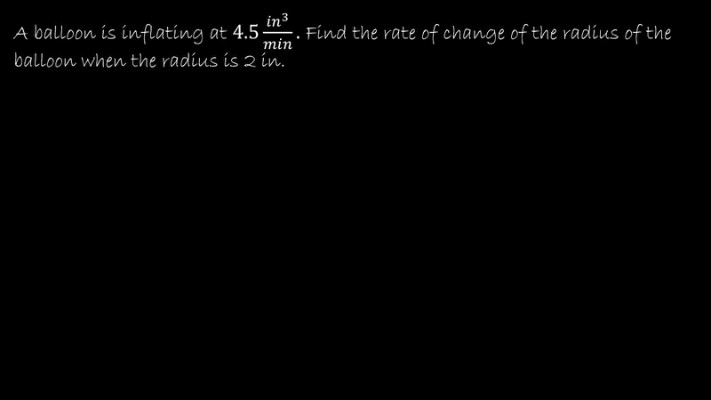
Calculus I - 2.6.2 Related Rates - Balloon Inflation (Sphere)
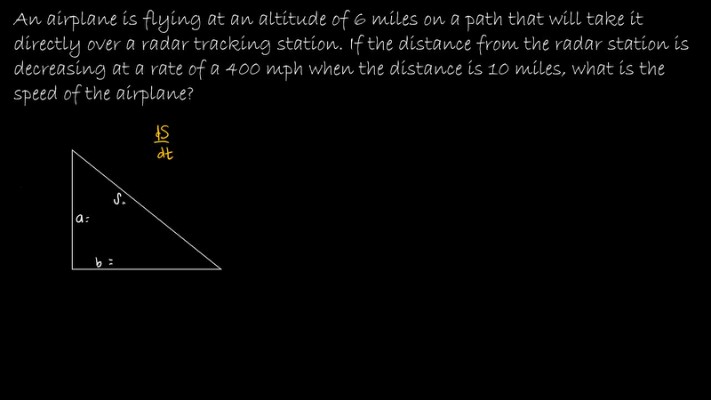
Calculus I - 2.6.3 Related Rates - Modeling with Triangles